Home / Articles
Clear Vision with Multifocal IOLs | Gangnam Joeunnun Clinic
Home / Articles
Clear Vision with Multifocal IOLs | Gangnam Joeunnun Clinic
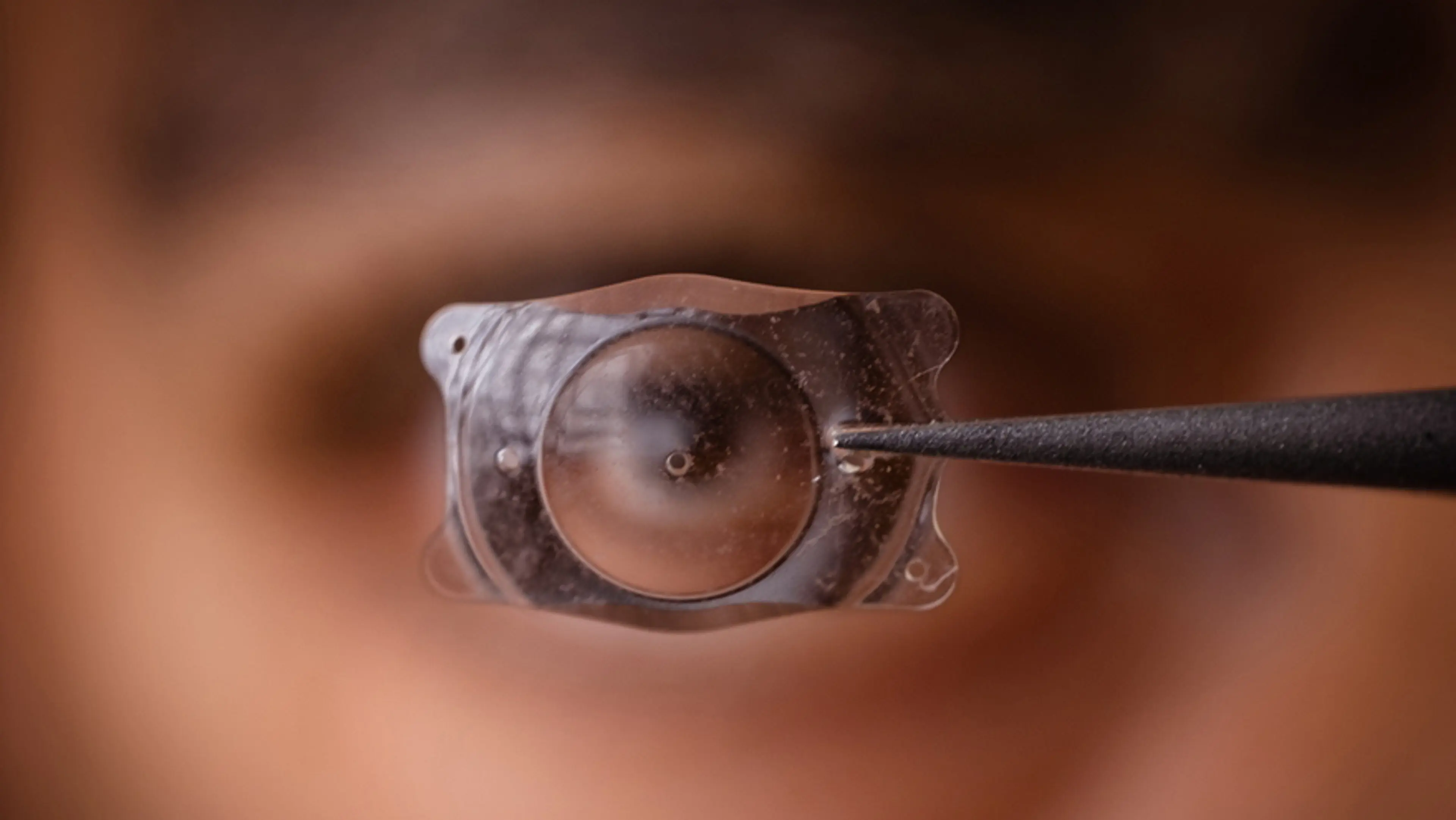
Multifocal intraocular lenses (IOLs) are a major advancement in the treatment of cataracts and age-related vision decline. These lenses are designed to restore clear vision across different distances, helping patients focus on nearby text, digital screens, and distant signs without switching between multiple pairs of glasses. Unlike monofocal lenses, which correct vision at a single distance, multifocal IOLs incorporate several optical zones, providing a broader range of clarity.
Rather than being a one-size-fits-all solution, multifocal IOLs require careful selection based on individual visual goals and lifestyle needs. Clinics like Gangnam Joeunnun Vision Clinic in Seoul’s Gangnam district have become leaders in this space by combining advanced diagnostics with tailored lens selection to help patients achieve the most natural and functional vision possible.
Cataracts develop when the eye’s natural lens becomes cloudy with age, leading to blurry or dimmed vision. This is a natural part of aging and affects millions globally. Presbyopia is another age-related condition where the lens loses flexibility, making it difficult to focus on nearby objects.
Traditional cataract surgery typically replaces the cloudy lens with a monofocal IOL. While effective, this often leaves patients dependent on reading glasses. Multifocal IOLs, however, address both cataracts and presbyopia by enabling vision correction at multiple focal lengths in one procedure. This dual-purpose approach makes them a transformative option for older adults seeking visual independence.
Multifocal IOLs use sophisticated optical designs to split incoming light into multiple focal zones. These zones allow the eye to focus on objects at varying distances. The brain learns to adapt to the way light is distributed and prioritizes the most relevant image depending on the task—whether it’s reading or driving.
There are three main types of multifocal IOLs:
Each lens type has trade-offs in sharpness, side effects, and range. A comprehensive eye assessment is crucial for selecting the optimal model.
Patients who receive multifocal IOLs often notice practical improvements in daily life. For instance, 62-year-old Mr. Lee, a former schoolteacher, underwent lens replacement at Gangnam Joeunnun Vision Clinic. Previously hindered by cataracts and dependence on reading glasses, he now reads his morning newspaper and drives at night without any visual aids.
Many patients report this level of improvement, particularly appreciating the ability to shift between tasks like cooking, using a phone, and watching television—all without reaching for glasses. This change is more than medical—it enhances confidence, independence, and quality of life.
While multifocal IOLs are powerful tools, they are not ideal for every eye. Conditions such as macular degeneration, chronic dry eye, or irregular corneal shapes may affect lens performance. Additionally, some patients may experience side effects such as halos or glare, especially at night.
Careful preoperative evaluation, including corneal mapping and visual acuity tests, helps ophthalmologists determine the best lens type. At Gangnam Joeunnun Vision Clinic, candidates are assessed using state-of-the-art systems like the VisuMax and LENSAR lasers for precision diagnostics.
Implanting multifocal IOLs is typically a 20–30 minute outpatient procedure. After numbing the eye with local anesthesia, the surgeon removes the cloudy natural lens and inserts the new artificial lens through a tiny incision. Most patients notice vision improvement within a few days, although full adaptation can take several weeks.
Postoperative care includes prescribed eye drops to reduce inflammation and follow-up visits to monitor healing. Patients are advised to avoid heavy lifting and protect their eyes during the initial recovery period. Gangnam Joeunnun Vision Clinic’s follow-up protocol includes regular checks and patient support, ensuring peace of mind through the adaptation phase.
The most commonly used IOLs are:
Multifocal IOLs often reduce the need for glasses altogether, making them the preferred option for patients seeking visual freedom—especially those who lead active lifestyles.
Gangnam Joeunnun Vision Clinic collaborates with global innovators like ZEISS through its SMILE Research Center, helping advance vision correction technologies. These partnerships ensure access to the latest IOL materials and designs, some of which offer enhanced night vision and reduced glare.
Surgical safety and patient trust are cornerstones of the clinic’s reputation. Under the leadership of Dr. Kim Jun-heon, who has performed thousands of procedures over 16 years, the team maintains a strong focus on pre-op education and post-op care.
Every treatment is customized—not only to eye shape and prescription, but also to personal goals, like being able to read small print or drive confidently at night.
Multifocal IOLs offer a comprehensive vision correction solution for patients facing cataracts and presbyopia. But the key to success lies not just in the technology—it’s in the hands of skilled clinicians who personalize the experience.
Gangnam Joeunnun Vision Clinic exemplifies this approach. With deep surgical expertise, cutting-edge tools, and a commitment to individualized care, it remains a premier destination for patients seeking restored vision without compromise.