Introduction
introduction:Choosing the right intraocular lens (IOL) for cataract surgery can be a daunting task. With several options available—monofocal, multifocal, and toric IOLs—it's important to understand the unique benefits each type offers. Your decision will influence not only your vision after surgery but also your lifestyle and comfort in the long run. At Gangnam Joeunnun Vision Clinic, we understand that every patient has different visual needs, which is why we offer personalized consultations to help you choose the IOL that’s right for you. Whether you’re seeking freedom from glasses or looking for a solution to astigmatism, the right IOL can help you achieve clearer, more comfortable vision.
Understanding the Basics of IOL Implants
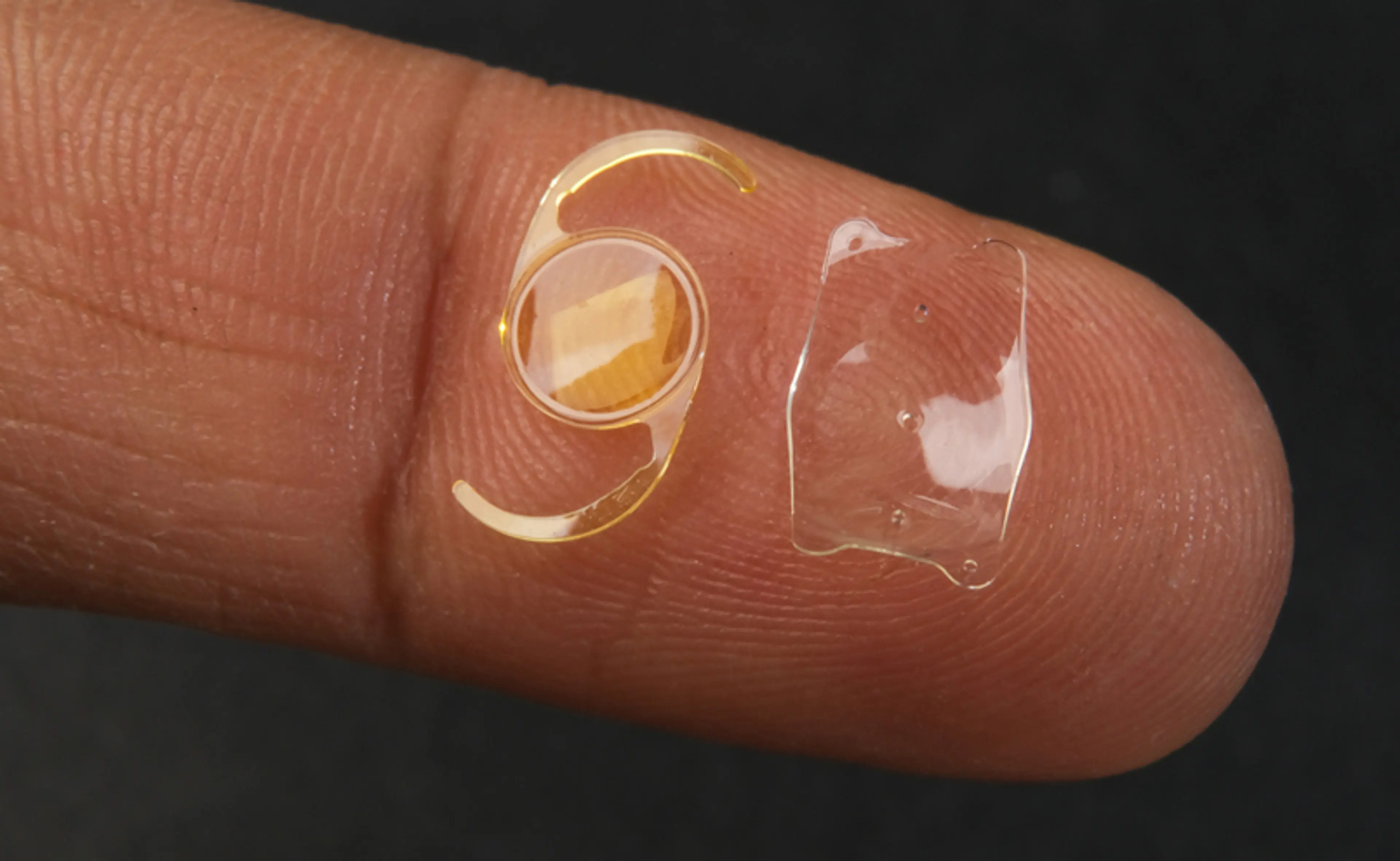
understanding-the-basics-of-iol-implantsDuring cataract surgery, the cloudy lens of the eye is removed and replaced with an artificial lens, known as an intraocular lens (IOL). The IOL implant’s primary purpose is to provide clear vision after the removal of the cataract. There are different types of IOLs, each designed to address specific visual challenges. The choice you make can significantly affect your visual quality post-surgery, so it’s essential to understand the available options.
1. Monofocal IOLs: The Standard Choice
1.-monofocal-iols:-the-standard-choiceWhat It Is:
Monofocal IOLs are the most commonly used lenses. They provide excellent vision at a single focal point, typically set for either near or distance vision, but not both. These lenses do not correct for presbyopia, which is the age-related difficulty in focusing on close objects.
Who They’re Best For:
Patients who are primarily concerned with one distance — if you’re hoping to achieve good distance vision, for example, monofocal IOLs are a great choice.
Those with stable vision needs — if you don’t have significant astigmatism or need correction for near vision, a monofocal IOL may be all you need.
Budget-conscious patients — because monofocal lenses are the standard, they tend to be more affordable compared to multifocal or toric lenses.
What You Need to Know:
Post-surgery vision aids — If you select a monofocal IOL for distance vision, you will likely still need reading glasses for near tasks such as reading or using your phone. Alternatively, some patients opt for monovision, where one eye is corrected for distance and the other for near vision.
2. Multifocal IOLs: Greater Flexibility for Near and Far
2.-multifocal-iols:-greater-flexibility-for-near-and-farWhat It Is:
Multifocal IOLs offer a broader range of vision, allowing for both near and distance focus. These lenses use multiple focal points, which means you’ll be able to see well at different distances without the need for glasses. However, they may not provide the same sharpness in vision as monofocal lenses for all distances, especially under low light conditions.
Who They’re Best For:
Patients who want independence from glasses — If you’re tired of reaching for your glasses to read or see at a distance, multifocal lenses could give you the freedom to enjoy both without needing additional optical aids.
Active individuals — Those who engage in various activities that require clear vision at multiple distances (e.g., driving, reading, using computers) benefit from multifocal lenses.
What You Need to Know:
Night vision considerations — Some patients experience glare or halos around lights, particularly at night. This can be a tradeoff when choosing multifocal lenses. However, newer generations of multifocal IOLs have addressed this issue, reducing the likelihood of these side effects.
Not suitable for everyone — Multifocal IOLs require a certain level of adaptability, as some patients may struggle with the transition between focal points. Discussing your visual needs and expectations with your ophthalmologist is crucial in determining if multifocal lenses are right for you.
3. Toric IOLs: The Ideal Solution for Astigmatism
3.-toric-iols:-the-ideal-solution-for-astigmatismWhat It Is:
Toric IOLs are specifically designed to correct astigmatism, a refractive error where the cornea or lens is irregularly shaped, causing blurred vision. Toric lenses come in both monofocal and multifocal options, with the added benefit of addressing astigmatism. They are often recommended for patients whose astigmatism is moderate to high.
Who They’re Best For:
Patients with significant astigmatism — If you’ve been diagnosed with astigmatism and wear glasses or contacts to correct it, toric lenses can offer clearer vision without the need for additional optical aids.
Those undergoing both cataract surgery and refractive correction — If you need cataract surgery and have astigmatism, toric IOLs can simultaneously address both issues.
What You Need to Know:
Precise alignment is key — For toric IOLs to work effectively, the lens must be positioned correctly during surgery. This requires a high level of skill and precision, so it’s important to choose a clinic with experience in advanced cataract surgery and toric lens implants, like Gangnam Joeunnun Vision Clinic.
Customizable vision — Toric lenses can correct astigmatism while also addressing presbyopia if you opt for a multifocal toric IOL.
Factors to Consider When Choosing the Right IOL
factors-to-consider-when-choosing-the-right-iol
Now that you’re familiar with the different types of IOLs, there are several factors to keep in mind when making your decision:
1. Your Visual Needs
1.-your-visual-needsWhat are your daily visual tasks? If you spend a lot of time reading, working on computers, or driving, your needs may differ. Patients who lead active lives may prefer multifocal lenses for convenience, while those who only need correction for distance vision may prefer a monofocal lens.
2. Your Astigmatism
2.-your-astigmatismDo you have astigmatism? If so, toric IOLs might be the right solution for you. They can provide the sharpest vision possible by correcting the underlying refractive error, reducing your reliance on glasses.
3. Your Lifestyle and Preferences
3.-your-lifestyle-and-preferencesSome patients prioritize being free of glasses, while others are okay with using them for reading or close tasks. If you're okay with wearing glasses for close-up work, monofocal lenses could be a good fit. However, if you'd prefer less dependence on glasses overall, multifocal lenses are worth considering.
4. Costs
4.-costsWhile multifocal and toric lenses are generally more expensive than monofocal lenses, they could be worth the investment if you’re looking for long-term convenience and fewer glasses-related hassles.
5. Personal Adaptation
5.-personal-adaptationYour ability to adapt to different visual focuses plays a big role in choosing the right lens. If you're uncomfortable with the idea of your eyes constantly adjusting between near and far vision, monofocal lenses or a monovision setup might be a better fit.
6. Health Conditions
6.-health-conditionsIf you have other eye conditions (e.g., macular degeneration, glaucoma), some IOLs may be more suitable than others. A thorough eye examination by an experienced ophthalmologist, like Dr. Kim Jun-heon at Gangnam Joeunnun Vision Clinic, will help you choose the most appropriate option for your overall eye health.
Why Choose Gangnam Joeunnun Vision Clinic?
why-choose-gangnam-joeunnun-vision-clinic
When it comes to vision correction and cataract surgery, your choice of clinic can make all the difference in the outcome. At Gangnam Joeunnun Vision Clinic, we stand out not only for our cutting-edge technology but also for our unwavering commitment to personalized patient care. Here’s why choosing us ensures that you’re in the best hands:
Expertise in Advanced Vision Correction
Under the guidance of Dr. Kim Jun-heon, a leading ophthalmologist specializing in refractive surgery, we offer the latest advancements in vision correction, including SMILE, LASIK, and cataract surgeries. With over 16 years of experience and a reputation for precision, Dr. Kim and our team provide treatments that are tailored to your individual eye health and vision needs.
State-of-the-Art Technology
We use only the most advanced technology available to ensure the highest level of precision and safety during your procedure. Our collaboration with ZEISS, a global leader in eye care technology, allows us to offer you world-class IOLs and diagnostic tools, enhancing both your surgical outcomes and overall patient experience.
Personalized Care
At Gangnam Joeunnun, we believe that no two patients are the same. Your vision and lifestyle are unique, so your treatment should be too. From your initial consultation to post-surgery follow-ups, we take the time to understand your needs and ensure that your treatment plan is the right fit for you. Our team is always available to answer your questions, address concerns, and provide ongoing support.
Minimally Invasive Procedures for Faster Recovery
We specialize in minimally invasive procedures like SMILE surgery, which offers quicker recovery times, less discomfort, and reduced risk of complications compared to traditional LASIK. Our cataract surgeries are also performed with precision, allowing for quicker visual recovery and less post-surgical downtime.
Trusted Reputation in Gangnam
Located in the heart of Gangnam-gu, Seoul, our clinic is known for its exceptional results and patient satisfaction. Over the years, we’ve built a strong relationship with our community and earned the trust of countless patients, both local and international. When you choose Gangnam Joeunnun, you’re choosing a clinic with a proven track record of success.
Holistic Approach to Eye Health
Our commitment to your eye health goes beyond surgery. We emphasize long-term care, offering guidance on how to maintain your eye health and prevent future issues. With a thorough evaluation and ongoing care, you can feel confident in your vision for years to come.
Choosing Gangnam Joeunnun Vision Clinic means choosing exceptional care, advanced technology, and the expertise you deserve. Whether you’re considering cataract surgery, vision correction, or simply seeking a consultation, we’re here to provide personalized solutions that align with your vision goals.
Conclusion
conclusion:The decision between monofocal, multifocal, and toric IOLs is deeply personal and should be made in consultation with a skilled ophthalmologist who understands your unique needs and lifestyle. Each type of lens offers distinct advantages, from the simplicity and affordability of monofocal lenses to the comprehensive vision correction provided by multifocal and toric options. At Gangnam Joeunnun Vision Clinic, we take the time to listen to your concerns, evaluate your eye health, and guide you toward the optimal solution. If you're ready to take the next step toward clearer vision, scheduling a consultation with our expert team is an excellent place to start. Your eyes deserve the best, and we’re here to help you achieve the vision you’ve always wanted.