Home / Articles
ICL Surgery: The Ideal Solution for People with Severe Myopia
Home / Articles
ICL Surgery: The Ideal Solution for People with Severe Myopia
If you’ve ever stepped outside without your glasses and felt the world blur into indistinguishable shapes and colors, you already know how limiting severe myopia can be. For many in Korea — where rates of nearsightedness are among the highest in the world — glasses and contact lenses aren’t just accessories, they’re lifelines.
But there comes a point where lenses feel more like chains. Thick, heavy glasses distort appearance. Long hours of contact lens wear cause dryness and irritation. And when your prescription continues to climb past -6.00, -8.00, or even -10.00 diopters, the sense of being “trapped” by poor vision can become overwhelming.
Over the last 16 years, we at Gangnam Joeunnun Vision Clinic have met countless patients who thought they had no safe options beyond glasses. Many were told LASIK or SMILE weren’t suitable for them because their corneas were too thin, or their prescriptions too high. For these individuals, ICL (Implantable Collamer Lens) surgery has opened an entirely new chapter of possibility.
In this article, we’ll dive into what ICL surgery really is, why it’s such a breakthrough for people with severe myopia, and how it compares to other vision correction methods. We’ll also share insights from our clinical experience here in Seoul, where the demand for safe, long-term solutions is greater than ever.
To appreciate why ICL surgery is so important, you first have to understand what severe myopia does to daily life.
In a country like Korea — where academic and professional performance often require long hours of visual concentration — these burdens are magnified. Vision correction is not just about convenience, it’s about preserving quality of life.
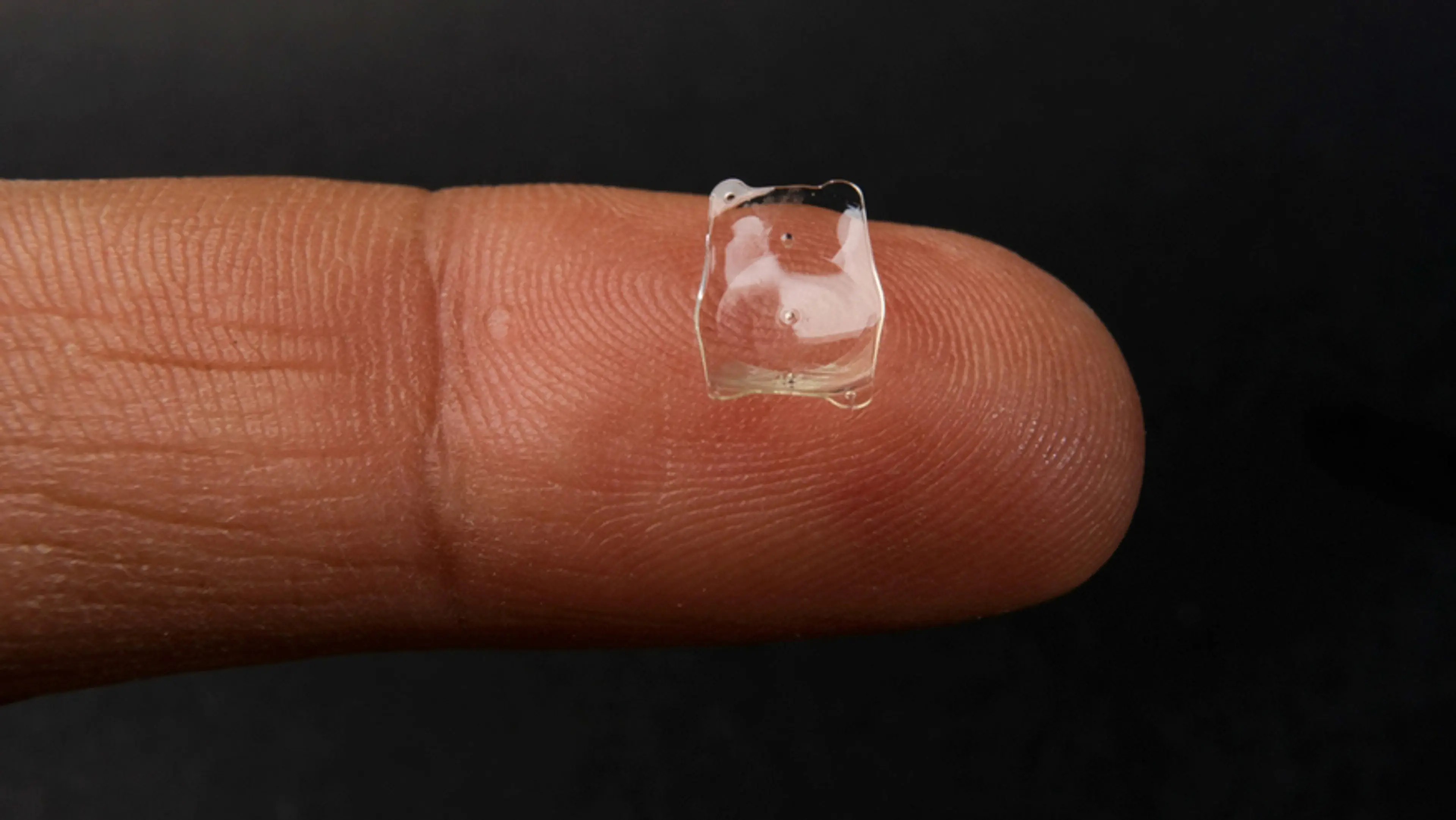
Here’s the simplest way to picture it: imagine slipping a transparent contact lens behind your iris, where it permanently enhances your vision. You don’t feel it, you don’t see it, and you don’t need to maintain it like a contact lens. It simply becomes part of how your eye focuses light.
Key features of ICL:
Patients often describe the transformation as seeing the world in “high definition” for the first time.
To be honest, not every patient is a good fit for laser-based surgeries like LASIK or SMILE. The higher the myopia, the more corneal tissue needs to be removed to reshape the eye. For someone with -9.00 diopters, this can leave the cornea dangerously thin, increasing the risk of complications like ectasia (progressive corneal weakening).
That’s where ICL stands out:
It doesn’t touch the cornea’s structure at all.
It corrects prescriptions that laser surgery simply can’t safely handle.
It provides crisp results even in extreme cases.
At Gangnam Joeunnun Vision Clinic, we see patients who were told by other clinics that surgery wasn’t possible. After proper screening, many discover that ICL offers exactly what they need — safe, long-term correction without compromising their eye health.
The appeal of ICL goes beyond just “better eyesight.” For people with severe myopia, its advantages are profound:
For many patients, this combination of safety, clarity, and flexibility is life-changing.
When people hear “implant surgery,” they often imagine something major or painful. The reality of ICL is surprisingly simple and elegant.
In our clinic, patients are often surprised at how quick and comfortable the experience is.
ICL is most effective for patients who:
Have severe myopia (-6.00D to -20.00D)
Are not suitable for LASIK/SMILE due to thin or irregular corneas
Want a reversible solution
Struggle with contact lens discomfort or dry eyes
However, those with advanced glaucoma, uncontrolled eye disease, or significant cataracts may need different treatment options. Careful screening is the key to determining eligibility.
Rather than asking “Which is better?”, we encourage patients to ask “Which is better for me?”
One analogy we use is comparing eyeglasses: some patients need a simple frame adjustment, while others need an entirely different prescription strength. The right solution depends entirely on the starting point.
ICL has been in use for more than 20 years, with excellent long-term safety data. Still, it’s important to emphasize that surgery is never one-and-done. Patients should continue with regular eye checkups to monitor eye pressure, lens position, and overall eye health.
At Gangnam Joeunnun Vision Clinic, we schedule personalized follow-up visits to ensure results remain stable. We see this as a partnership — advanced technology provides the clarity, but ongoing care sustains it.
Gangnam has become Korea’s center for premium eye care. Patients travel here because of the unique combination of:
Many international patients also choose our clinic because they trust Korea’s high standards in medical care, coupled with the personalized, attentive approach we provide.
Numbers and procedures are important, but what really matters is how patients feel afterward.
One patient in her 20s, a university student, described waking up after ICL surgery as “the first time in years I could open my eyes and see my room clearly without reaching for glasses.”
A professional in his 30s shared that ICL freed him from the irritation of daily contact lens wear, which had become unbearable during long work hours.
Another patient, who had been told LASIK was unsafe for her prescription, said ICL gave her “a second chance at clear vision” she thought she’d never have.
These stories highlight what statistics cannot: the sense of liberation and joy that comes with clear, natural vision.
Severe myopia can feel like a lifelong sentence, but it doesn’t have to be. With ICL surgery, patients who once thought they were out of options now enjoy clear, stable, and comfortable vision. Unlike glasses or contacts, it’s not just a tool — it’s a permanent upgrade to how your eyes function every day.
If you’ve been told laser surgery isn’t possible, or if you’re ready to move beyond the limits of severe myopia, we invite you to take the first step. Schedule a consultation, ask questions, and discover whether ICL could change your life.