Home / Articles
ICL Surgery: The Pros and Cons of Implantable Collamer Lenses
Home / Articles
ICL Surgery: The Pros and Cons of Implantable Collamer Lenses
In today’s world, many individuals are seeking alternatives to glasses and contact lenses, hoping to achieve a clearer and more convenient vision correction solution. While LASIK surgery has been a popular option for years, it is not suitable for everyone, especially for those with certain eye conditions or higher prescriptions. That's where Implantable Collamer Lens (ICL) surgery comes in. This innovative procedure provides a safe and effective way to correct vision without altering the cornea, making it an ideal choice for people who may not qualify for LASIK.
At Gangnam Joeunnun Vision Clinic, we specialize in offering cutting-edge ICL surgery that has helped countless patients regain excellent vision with minimal downtime. If you're considering vision correction but are unsure about which option is best for you, understanding the pros and cons of ICL surgery can help you make an informed decision. In this article, we will explore the key benefits and potential risks of ICL surgery, so you can better understand how this procedure works and whether it’s the right fit for your needs.
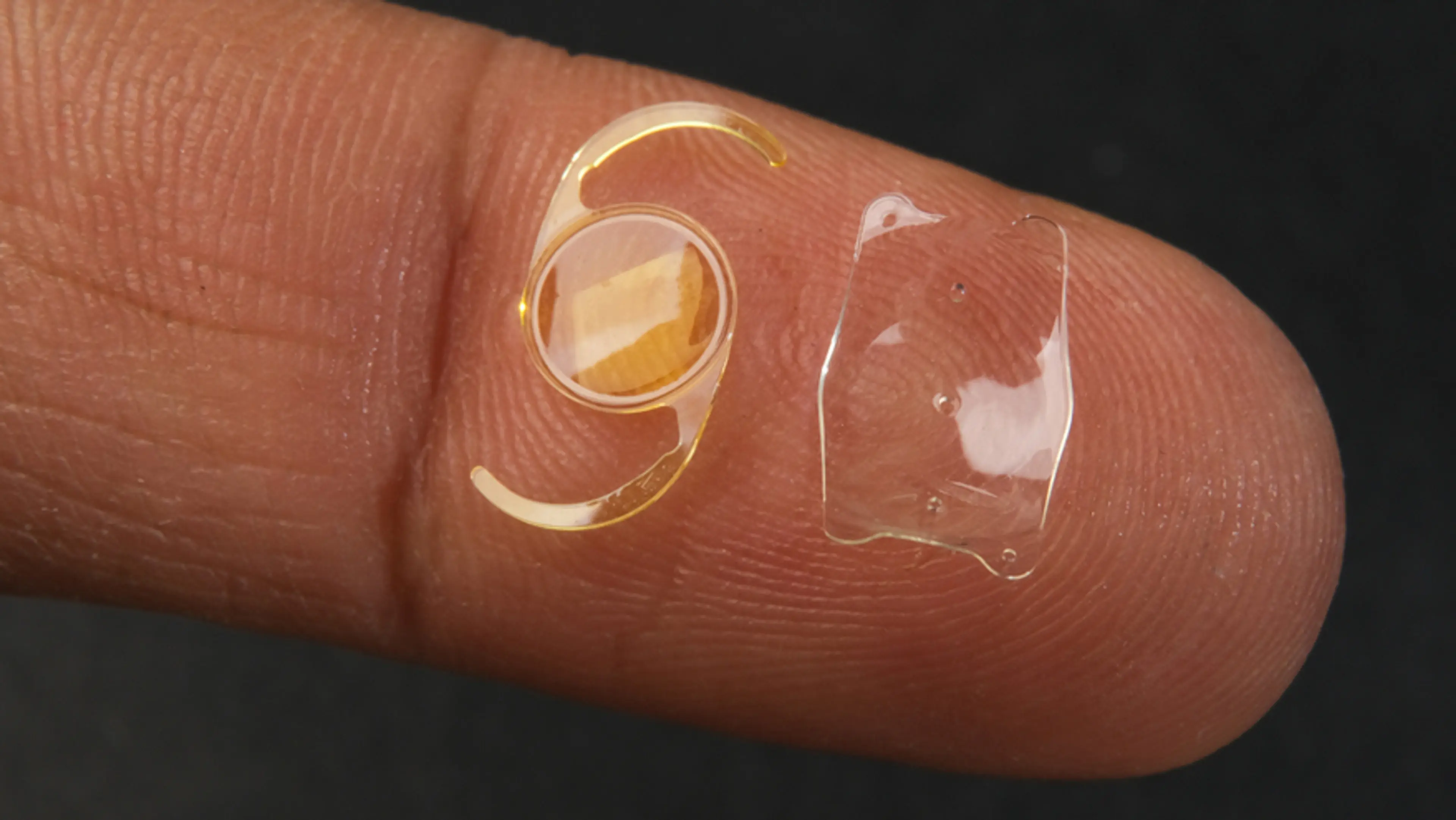
Implantable Collamer Lens (ICL) surgery is a highly advanced procedure designed to correct refractive vision errors such as nearsightedness (myopia), farsightedness (hyperopia), and astigmatism. Unlike LASIK, which reshapes the cornea to improve vision, ICL surgery involves the implantation of a lens inside the eye, just behind the iris (the colored part of your eye). This lens acts like a permanent contact lens that stays inside the eye, working to correct your vision.
The ICL is made from a biocompatible material known as Collamer, which is designed to be safe and gentle on the eye. The lens is customized to fit your specific prescription, allowing for precise and effective vision correction. One of the unique features of ICL surgery is that it doesn't require altering or reshaping the cornea, which makes it a great option for people who may not qualify for LASIK due to thin corneas, high prescriptions, or other eye conditions.
At Gangnam Joeunnun Vision Clinic, our skilled ophthalmologists carefully assess your eye health and vision needs to determine if ICL surgery is the right choice for you. Whether you have high levels of myopia or other refractive issues, ICL surgery can offer a safe and effective solution, providing you with clearer vision and reducing your reliance on glasses or contact lenses.
One of the most significant advantages of ICL surgery is that it does not involve altering the cornea, as is the case with LASIK. LASIK reshapes the cornea to correct vision, but for individuals with thin corneas or certain eye conditions, this can be problematic. ICL surgery is an excellent alternative, as it leaves the cornea untouched and works by implanting the lens inside the eye, offering a safe and effective solution for individuals who may not qualify for LASIK.
Unlike LASIK or other permanent vision correction surgeries, ICL surgery is reversible. If for any reason the lens needs to be replaced, or if a person experiences complications, the ICL can be removed or exchanged. This is particularly reassuring for patients who are concerned about the permanency of vision correction procedures, providing peace of mind in knowing they have options in the future.
Most ICL patients experience a relatively fast recovery time. Vision improvements are typically noticeable within a few hours to a day after the surgery, and most individuals return to their normal daily activities within a week. As the procedure is minimally invasive, healing is generally quick and straightforward. At Gangnam Joeunnun Vision Clinic, we provide personalized aftercare to ensure that your recovery process is as smooth as possible.
ICL lenses are designed to provide superior visual acuity and contrast sensitivity, with many patients reporting clearer and sharper vision than they had with glasses or contact lenses. The lens is specifically tailored to each patient's unique prescription, delivering customized results that ensure the best possible visual outcome. For patients with higher prescriptions, ICL surgery often provides significantly better results compared to other corrective options.
One of the most compelling reasons to consider ICL surgery is that it is effective for individuals with high levels of refractive errors. People with severe myopia, hyperopia, or astigmatism who may not be candidates for LASIK can achieve exceptional results with ICL surgery. Whether your prescription is high or your cornea is too thin for LASIK, ICL provides an excellent alternative.
Many patients who undergo LASIK surgery experience dry eye syndrome due to the impact on corneal nerves. ICL surgery, on the other hand, does not affect the cornea, and as a result, it does not lead to dry eye issues. This makes ICL a more comfortable option for individuals who are concerned about dry eyes, especially those who wear contact lenses regularly.
While less invasive than other forms of eye surgery, ICL still involves making small incisions in the eye to implant the lens. Any surgical procedure carries inherent risks, such as infection, bleeding, or complications during recovery. However, these risks are relatively low, and at Gangnam Joeunnun Vision Clinic, we ensure the highest standards of care to minimize any potential complications.
Although rare, some studies suggest that ICL surgery may increase the risk of developing cataracts over time. The lens could potentially cause clouding of the eye’s natural lens, which may require further treatment down the line. However, the risk of cataracts is minimal, and our surgeons take every precaution to ensure the lens is positioned safely.
ICL surgery is generally more expensive than LASIK. The cost includes both the surgery itself and the price of the implantable lens, which may not be covered by insurance. While the benefits are undeniable, it’s important to consider the financial investment involved. Gangnam Joeunnun Vision Clinic offers competitive pricing and financing options to make the procedure more accessible.
While ICL is an effective vision correction procedure, it is not suitable for everyone. People with conditions like glaucoma, severe dry eyes, or certain other health issues may not be candidates for ICL surgery. Additionally, ICL does not address age-related vision problems such as presbyopia (difficulty focusing on close objects), which may require reading glasses even after the surgery.
In some cases, ICL may lead to increased intraocular pressure (IOP), which can be a risk factor for glaucoma. This condition requires monitoring and management. At Gangnam Joeunnun Vision Clinic, we regularly check IOP levels during the evaluation and follow-up stages to ensure the safety and health of your eyes.
Though ICL is designed to provide long-term results, some patients may require adjustments or additional surgeries in the future. This could be due to a change in prescription or if the lens experiences complications. However, such instances are rare, and we provide thorough post-operative care to minimize the need for further procedures.
Implantable Collamer Lens (ICL) surgery at Gangnam Joeunnun Vision Clinic offers a transformative solution for those who struggle with poor vision due to refractive errors. With its advantages, including high-quality vision, a reversible procedure, and a relatively quick recovery time, ICL provides a promising option for many individuals who are not candidates for LASIK. However, it is important to consider the potential drawbacks, such as the cost, invasiveness, and the small risk of complications.
At Gangnam Joeunnun Vision Clinic, our experienced ophthalmologists specialize in personalized care and advanced surgical techniques. We are committed to ensuring that you have all the information you need to make the best decision for your eye health and vision goals. If you’re ready to explore ICL surgery or have questions about the procedure, we invite you to schedule a consultation with our team.