Home / Articles
IOL Surgery Recovery: Expert Advice from Seoul's Top Clinic
Home / Articles
IOL Surgery Recovery: Expert Advice from Seoul's Top Clinic
Intraocular lens (IOL) implantation has dramatically changed the landscape of vision correction, particularly for patients with cataracts or those seeking freedom from glasses. This procedure replaces the eye's natural lens—typically clouded by cataracts or affected by refractive errors like astigmatism—with a custom-designed artificial lens. For many, it's a turning point toward clearer, more independent vision.
Each year, millions undergo IOL surgery. However, what truly determines success isn't just the operation itself, but the quality of preparation, surgery, and recovery support. At Gangnam Joeunnun Vision Clinic in Seoul, under the expertise of Dr. Kim Jun-heon, patients benefit from tailored care, advanced laser technologies, and a commitment to long-term visual health.
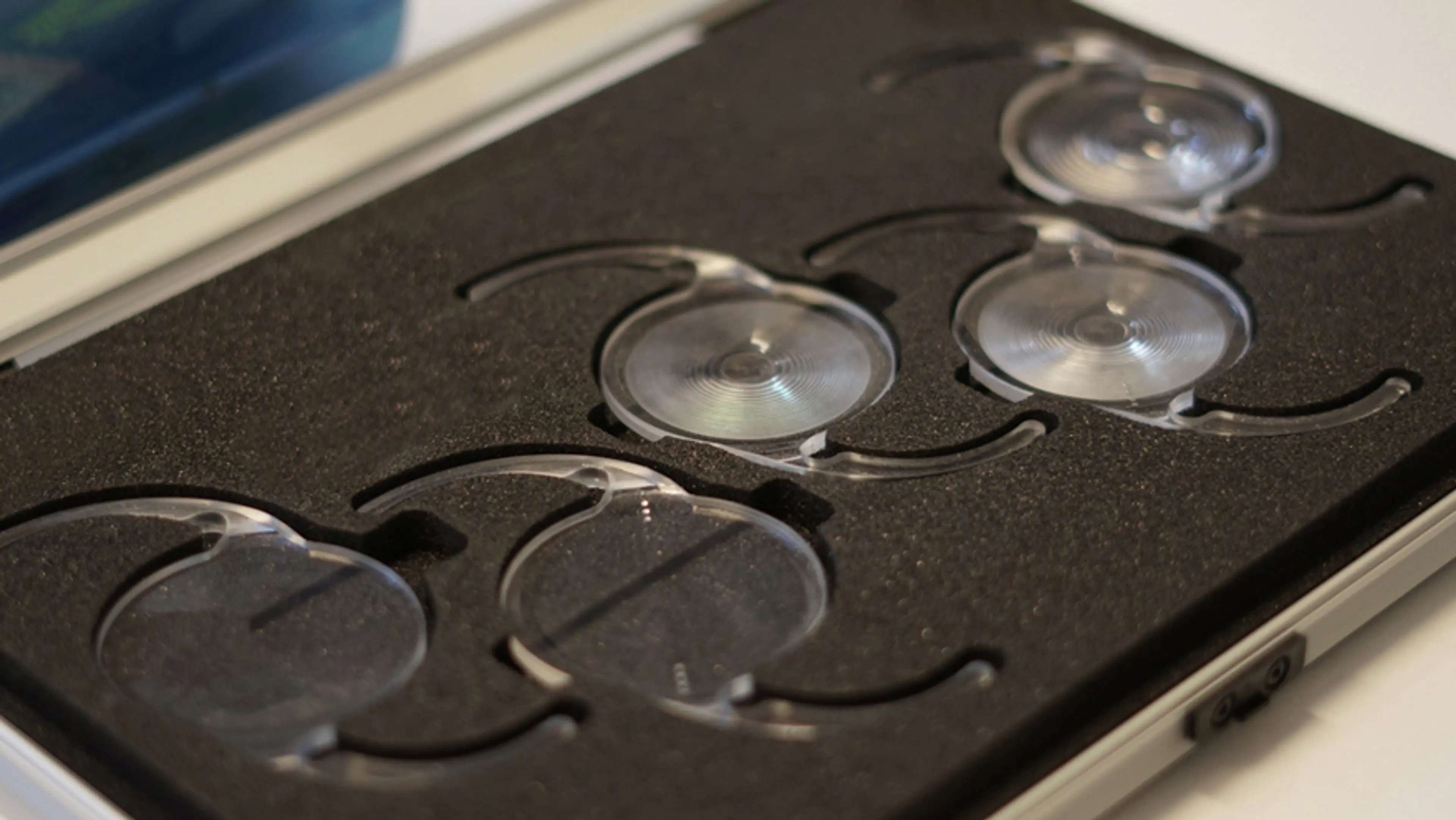
IOL surgery is often performed alongside cataract removal. While the idea is straightforward—remove a cloudy lens and replace it with a synthetic one—the execution is nuanced. The lenses used today are a product of decades of innovation:
Dr. Kim explains, "The key is choosing a lens that matches not only the patient’s eye measurements, but also their lifestyle goals. Someone who drives frequently at night may need a different lens than someone who reads extensively."
The procedure uses micro-incisions, guided by imaging systems such as VisuMax or LENSAR, ensuring accuracy with minimal trauma. Most surgeries are completed in under 30 minutes.
Effective outcomes start with thorough preparation. At Gangnam Joeunnun, the preoperative process includes advanced imaging, measurements, and one-on-one consultations. Patients are guided through pre-surgery dos and don'ts:
Avoid blood-thinning medications, when advised.
Arrange for someone to accompany you home.
Follow fasting guidelines before anesthesia.
This stage is also a time to discuss any preexisting conditions—such as diabetes or dry eye—that may impact healing. "We never rush this phase," says Dr. Kim. "Personalized planning reduces surprises during surgery."
Here's what happens on the day of surgery:
Patients typically rest for a short time post-procedure and receive detailed home care instructions.
The immediate recovery period can include mild irritation, tearing, or blurry vision. This is normal. Patients begin using prescribed antibiotic and anti-inflammatory drops the same day.
Avoid:
Rubbing the eye
Getting water or soap in the eye
Heavy lifting or strenuous activity
Use:
An eye shield at night
Sunglasses outdoors
"Some patients are surprised how quickly their vision clears up," notes Dr. Kim. "But healing is still happening beneath the surface."
Vision often sharpens daily, though fluctuations can occur. Follow-up visits are essential to check for inflammation or pressure changes.
Keep using prescribed drops.
Avoid dusty environments.
Rest when needed.
It’s normal to feel more confident returning to work or light activities by day 5 or 6, depending on job demands.
During this phase, most patients experience steady improvements. Colors may appear brighter, and reading becomes easier. Glare or halos—particularly with multifocal lenses—tend to decrease with time.
"By week three, patients usually tell us they’re noticing how much more they enjoy daily tasks," says Dr. Kim.
Ongoing visits ensure the eye is healing correctly, and adjustments in drop usage are made.
By the fourth week, vision generally stabilizes. Some patients may undergo minor enhancements, such as YAG laser treatment, if posterior capsule opacification (PCO) develops—a common, easily treatable issue.
Long-term care includes:
Annual eye checkups
UV protection with sunglasses
Managing chronic conditions like hypertension or diabetes
Patients should also be aware of gradual changes and seek evaluations promptly. Staying proactive supports sustained clarity and eye health.
Even after successful surgery, caring for your eyes is a lifelong endeavor. Dr. Kim recommends regular screenings, particularly for older adults, to catch any developing issues early. Nutritional support, including omega-3 fatty acids and antioxidants, can aid eye health.
If you have chronic conditions like diabetes or high blood pressure, managing these is crucial. "Systemic health and ocular health are deeply interconnected," Dr. Kim explains. "We often coordinate with primary care providers to optimize overall patient outcomes."
Wearing sunglasses with high UV protection and practicing good hygiene when applying makeup or contact lenses (if needed for the other eye) are additional measures patients can take.
One of the most common post-IOL issues is posterior capsule opacification (PCO). This can develop weeks or months after surgery and causes blurred vision. Fortunately, a quick outpatient laser procedure—YAG capsulotomy—resolves it almost instantly.
Less commonly, patients might experience elevated intraocular pressure or cystoid macular edema. Both conditions are manageable when detected early, which underscores the importance of routine follow-ups.
The field of intraocular lenses is constantly evolving. Recent advancements include extended depth-of-focus lenses and light-adjustable lenses, which can be fine-tuned after surgery. At Gangnam Joeunnun, these technologies are regularly evaluated and adopted when proven safe and effective.
Dr. Kim participates in ongoing research collaborations, including with ZEISS and local medical universities, to bring the latest in IOL science to his patients. "Our goal is to not only restore vision but to enhance it beyond expectations."
International patients often seek out Gangnam Joeunnun for its reputation, transparent care model, and English-speaking team. From initial consultations via video call to postoperative support abroad, the clinic provides seamless, multilingual services.
One Canadian patient shared: "From the moment I landed in Seoul, everything was handled. The team helped with transport, translation, and even sightseeing tips. And the care I received was better than what I could’ve imagined back home."
Whether you’re a local resident or traveling from abroad, the clinic’s patient-first philosophy ensures your needs are met at every stage.
Gangnam Joeunnun Vision Clinic isn’t just about high-tech tools or impressive success rates—it’s about people. The empathy shown by staff, the precision practiced by surgeons, and the patient education integrated throughout the process define the clinic’s standard of care.
Choosing to undergo IOL implantation is significant. Choosing where and with whom to do it makes all the difference.