Home / Articles
Laser vs Traditional Cataract Surgery in Korea
Home / Articles
Laser vs Traditional Cataract Surgery in Korea
Cataracts, a leading cause of visual impairment worldwide, occur when the eye’s natural lens becomes cloudy, gradually impairing vision. Though age-related cataracts are most common—particularly in individuals over 60—other factors like trauma, diabetes, or steroid use can also contribute to their development. Symptoms often begin subtly, including blurred vision, glare sensitivity, and diminished color perception. Left untreated, cataracts can significantly interfere with daily life.
The only effective treatment is surgical removal of the clouded lens, which is then replaced with a clear intraocular lens (IOL). With today’s advancements, patients typically choose between two surgical methods: traditional cataract surgery or laser-assisted cataract surgery. Each approach offers unique advantages and considerations. Understanding the differences, benefits, and potential outcomes is crucial to making the right choice for your eyes.
At Gangnam Joeunnun Vision Clinic in Seoul, both techniques are performed by a seasoned team led by Dr. Kim Jun-heon—a veteran ophthalmic surgeon known internationally for his contributions to cataract surgery and ophthalmic research. This guide offers an in-depth look at both surgical options, integrating insights from real patient experiences, advanced surgical techniques, and the clinic’s commitment to world-class care.
Traditional cataract surgery, formally known as phacoemulsification, has been the global standard for over three decades. In this procedure, a surgeon makes a small incision in the cornea using a handheld blade. An ultrasonic probe is inserted through this incision to break up the cataract into tiny fragments, which are then gently suctioned out. Once the cloudy lens is removed, an intraocular lens (IOL) is implanted in its place.
The success of this method relies heavily on the surgeon’s expertise, particularly in creating the incision, removing the cataract safely, and positioning the new lens correctly. When performed by experienced professionals like Dr. Kim, traditional surgery delivers excellent visual outcomes and rapid recovery. Millions of patients around the world regain their sight through this approach every year.
However, because it involves manual steps, there can be slight variability in precision. For most straightforward cataract cases, this variability has no significant impact on the final results. Still, for patients with complex eye anatomy or special vision correction needs, alternatives like laser-assisted surgery might offer added benefits.
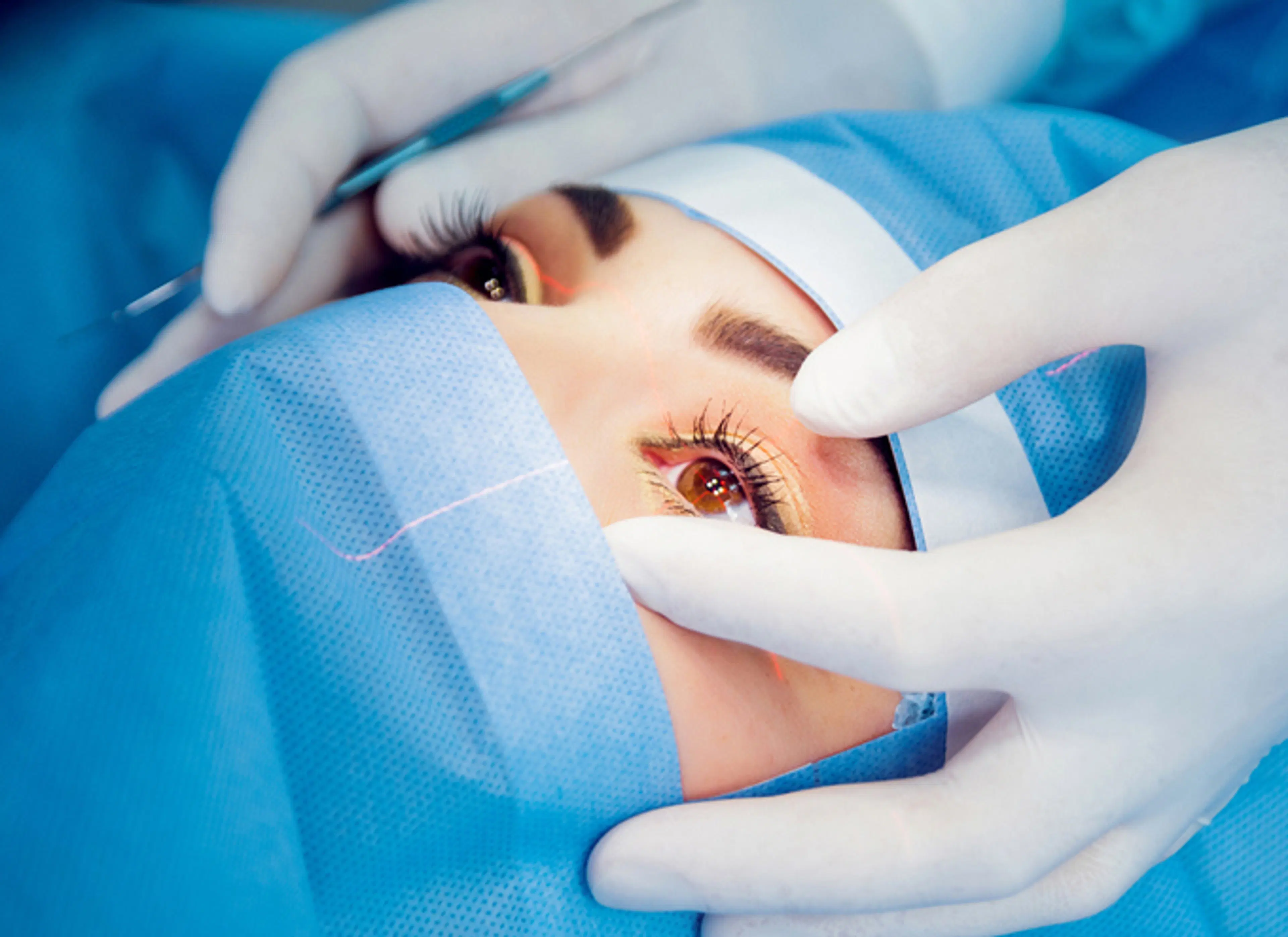
Laser-assisted cataract surgery incorporates femtosecond laser technology to automate and refine critical parts of the procedure. The laser is used to create the corneal incision, perform the capsulotomy (an opening in the lens capsule), and pre-fragment the cataract for easier removal. These steps are planned and guided using high-resolution imaging, such as optical coherence tomography (OCT), ensuring ultra-precise, customized results.
One of the key advantages of laser-assisted surgery is the consistency it offers. Unlike manual incisions, laser incisions are precise in size, depth, and location. This uniformity improves not only the accuracy of lens placement but also the overall symmetry and predictability of the procedure. Patients who opt for premium intraocular lenses—like multifocal or toric lenses to correct astigmatism—often benefit most from this level of accuracy.
Additionally, laser technology reduces the amount of ultrasound energy needed to break up the cataract. This gentler approach minimizes trauma to the surrounding eye structures, which can lead to reduced inflammation, a lower risk of corneal swelling, and a faster, smoother recovery process.
A key concern for most cataract patients is the quality of vision they can expect post-surgery. Both traditional and laser-assisted surgeries are capable of restoring clarity, but laser-assisted procedures often produce enhanced results—especially when premium lenses are involved.
Numerous studies and real-world data suggest that laser-assisted cataract surgery may result in slightly better uncorrected vision, reduced residual astigmatism, and improved alignment of multifocal or toric IOLs. These benefits are most noticeable in patients who desire reduced dependency on glasses after surgery. Precise capsulotomies and lens positioning can significantly influence how well a multifocal lens performs.
At Gangnam Joeunnun Vision Clinic, patients frequently report sharp vision within days—some achieving 20/20 vision in less than a week. A 68-year-old patient from Canada shared how he comfortably resumed his daily activities, including driving, just days after his procedure. Another patient from Singapore noted how laser technology corrected her long-standing astigmatism, giving her clearer night vision than she had experienced in years.
Even patients who choose traditional cataract surgery experience excellent results when the procedure is performed by a skilled surgeon. For individuals with uncomplicated cataracts and standard lens needs, the improvement in vision is often equally transformative.
Cataract surgery is among the safest surgical procedures in modern medicine. Complication rates are very low for both traditional and laser-assisted techniques. However, laser technology does add an extra layer of precision that may further reduce risks—especially for patients with unique anatomical challenges or existing eye conditions.
For example, laser systems can minimize the amount of energy delivered into the eye, reducing the likelihood of endothelial cell damage or corneal swelling. These risks are particularly relevant for older patients or those with pre-existing conditions like Fuchs’ dystrophy.
Nonetheless, no technology can replace the value of an experienced, adaptable surgeon. Surgical finesse, decision-making in real time, and the ability to respond to anatomical variations are irreplaceable human skills. Dr. Kim Jun-heon, with over 16 years of experience and a legacy of international research publications, exemplifies this blend of clinical excellence and surgical artistry. He performs both traditional and laser-assisted cataract surgeries with meticulous precision, tailoring each procedure to the patient’s unique eye condition.
Recovery from cataract surgery is usually swift, with most patients noticing improved vision within the first 24 to 48 hours. In general, laser-assisted procedures offer a slightly faster and smoother recovery thanks to the more controlled and less invasive nature of the surgery.
Because laser-created incisions are more precise and there’s less ultrasound energy used, patients often experience less post-operative inflammation and discomfort. This can mean a reduced need for anti-inflammatory drops and fewer post-op symptoms like irritation or light sensitivity.
Patients undergoing traditional cataract surgery may experience a similar recovery timeline, though in some cases the healing process can take a few extra days. Regardless of the technique, the post-operative care routine typically includes using antibiotic and anti-inflammatory eye drops, avoiding strenuous activities, and attending scheduled follow-up visits.
At Gangnam Joeunnun Vision Clinic, patients are guided through every step of recovery. The team provides customized aftercare plans, multilingual support, and direct contact with medical staff to ensure that healing proceeds comfortably and safely.
Cost is a major factor when deciding between traditional and laser-assisted cataract surgery. Traditional surgery is generally covered by national health insurance systems or basic private plans in many countries. It remains a cost-effective choice for patients using standard monofocal lenses.
Laser-assisted surgery, on the other hand, typically involves additional expenses. This is due to the cost of laser technology and the increased customization of the procedure. Insurance may not fully cover laser-assisted methods or premium lenses like multifocal or toric IOLs, especially in elective or outpatient scenarios.
At Gangnam Joeunnun Vision Clinic, pricing is transparent and tailored consultations are provided to help each patient understand their financial options. For international patients, this includes clear documentation for travel insurance claims and assistance with medical visa documentation if needed.
South Korea is a global leader in medical technology, drawing thousands of international patients annually for procedures ranging from cosmetic surgery to ophthalmology. Cataract surgery is no exception.
Gangnam Joeunnun Vision Clinic, located in Seoul’s premier medical district, offers comprehensive services for international patients. From pre-surgery consultations to post-operative checkups, the clinic provides a streamlined experience with interpretation services, recovery accommodations, and airport transfer support. Many patients fly in for surgery and return home within a few days, thanks to the rapid recovery timeline.
The choice between traditional and laser-assisted cataract surgery should be based on your specific vision goals, eye health, and budget. For patients with straightforward cataracts who are comfortable with standard monofocal lenses, traditional surgery provides excellent results at a lower cost.
However, if you have astigmatism, complex lens requirements, or a desire to minimize glasses dependence, laser-assisted surgery may be the better investment. The added precision in incision-making and lens alignment can make a noticeable difference in final visual outcomes.
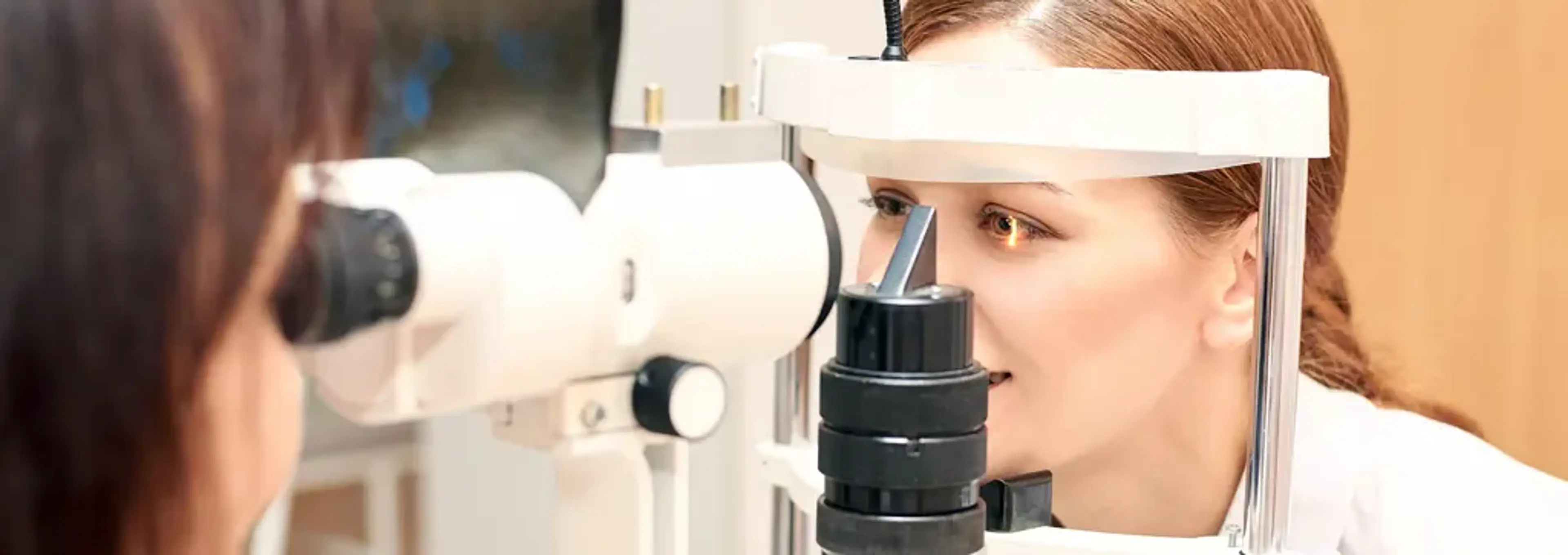
Your surgeon’s guidance is key. At Gangnam Joeunnun Vision Clinic, every patient receives a thorough preoperative assessment, including corneal mapping, eye measurements, and personalized recommendations based on their unique needs.
What sets a surgical experience apart is not just the technology—but the team behind it. Dr. Kim Jun-heon is recognized for his contributions to global ophthalmology, having served as Chief of Ophthalmology at Asan Medical Center and published in leading SCI-grade journals. He brings together evidence-based practice, hands-on surgical excellence, and compassionate patient care.
Under his leadership, Gangnam Joeunnun Vision Clinic has become a destination for both local and international patients seeking advanced, reliable cataract care. The clinic’s use of ZEISS and LENSAR platforms ensures that each procedure is supported by best-in-class imaging and laser precision.