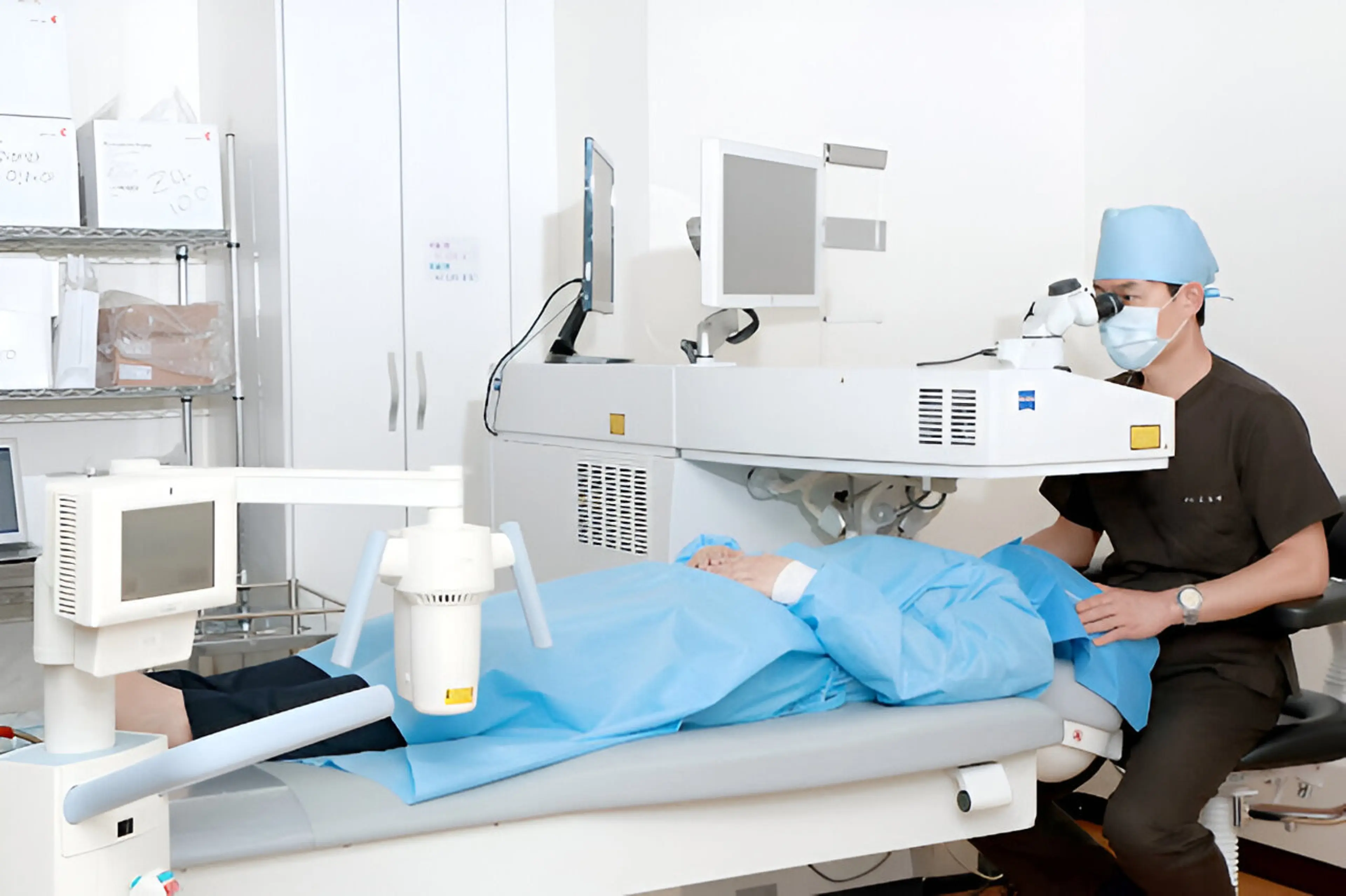
LASIK (Laser-Assisted In Situ Keratomileusis) is a popular vision correction surgery that uses a laser to reshape the cornea, improving the way the eye focuses light. However, not everyone is a suitable candidate for LASIK, and it's important to understand the qualifications, benefits, risks, and aftercare requirements before making the decision. Here’s everything you need to know about LASIK.
Who is Not Eligible for LASIK?
LASIK surgery is not recommended for everyone, and there are a few specific factors that can disqualify individuals from undergoing the procedure:
Eye Infection & Abrasion
If you have an active eye infection or abrasions, typically caused by contact lenses or other factors, LASIK surgery should be postponed until these issues are resolved. It's essential to wait until your eye health returns to normal before considering LASIK to ensure the best possible results.
Corneal Thickness
A thicker cornea is required for LASIK surgery as the procedure involves creating a corneal flap. If your cornea is too thin, LASIK may not be an option because there isn’t enough tissue to safely create the flap, which could compromise the procedure's success.
Pre-Existing Health Conditions
Certain health conditions or genetic disorders, such as Avellino Corneal Dystrophy, Keratoconus, or other forms of corneal opacity, can disqualify you from LASIK surgery. For individuals with such conditions, alternatives like LASEK, SMILE LASIK, or ICL (Implantable Contact Lenses) may be recommended instead.
How Does LASIK Work?
LASIK surgery involves two main steps:
Flap Creation
The surgeon uses a laser to create a flap in the epithelium layer of the cornea. This flap is then gently folded back to allow access to the underlying tissue.
Corneal Reshaping
Once the flap is lifted, another laser reshapes the cornea to correct vision by improving its focus. After the reshaping, the flap is repositioned without the need for stitches, and the cornea heals naturally.
Pros and Cons of LASIK
Advantages of LASIK:
Quick Recovery: Most patients experience a rapid recovery and can return to their daily activities within 1-2 days after surgery.
Minimal Pain: LASIK is generally associated with less pain compared to other vision correction procedures like LASEK.
Fast Vision Improvement: You can expect to see improvements in vision (often reaching 20/20) within just a few days.
Less Risk of Long-Term Corneal Haze: The risk of corneal haze, which can affect vision quality post-surgery, is lower compared to LASEK.
Disadvantages of LASIK:
Corneal Tissue Removal: Since LASIK involves cutting a flap and reshaping the cornea, it removes more corneal tissue, which makes it unsuitable for individuals with thin corneas or those with excessive myopia (nearsightedness).
Flap Vulnerability: After surgery, the corneal flap needs time to heal, making the eye temporarily more vulnerable to injury. It’s important to avoid certain activities, like contact sports, for a while.
Risk of Dry Eyes: Some patients may experience dry eyes after surgery, although this typically resolves within a few months.
LASEK vs. LASIK: Which is Better?
Both LASIK and LASEK are popular options for correcting vision, but they differ in the procedure and recovery times. Here’s a breakdown:
LASEK Pros:
No Flap Creation: LASEK does not involve cutting a flap in the cornea, making it suitable for people with thinner corneas or those who are disqualified from LASIK.
Durable Results: The results from LASEK can last for many years, and the procedure is generally considered very safe.
LASEK Cons:
More Painful Recovery: Unlike LASIK, LASEK can cause more discomfort after the surgery. Pain typically lasts for 2-3 days.
Longer Healing Time: Recovery takes longer with LASEK, and it may take up to several months for vision to fully stabilize.
LASIK vs. LASEK Recovery Time
After LASIK, most patients experience less discomfort and quicker recovery, typically returning to work and regular activities within a couple of days. Strenuous activities, such as jogging or swimming, are usually safe after about a month. However, it's essential to avoid activities that could potentially harm the healing flap, such as contact sports.
In contrast, LASEK patients typically require a longer recovery period, often taking a few weeks to fully heal. Post-operative care includes more frequent follow-ups to ensure the cornea heals correctly, and there's a higher chance of experiencing temporary vision fluctuations during recovery.
Pre-Operative Care: Contact Lenses
Before undergoing LASIK surgery, patients are advised to discontinue wearing contact lenses for a specific period:
Soft lenses should be avoided for at least 3 to 4 days.
Hard lenses require a break of about 2 weeks.
If you wear Ortho-K lenses (dream lenses), you must stop wearing them for at least 1 month to allow the cornea to return to its natural shape before the surgery.
Why Can't I See Up Close After LASIK?
LASIK primarily corrects myopia (nearsightedness), which improves your ability to see distant objects clearly. However, the near-vision ability can temporarily become blurred as your eyes adjust. This happens because the crystalline lens in your eye, which helps focus on near objects, is now working differently post-surgery. This adjustment period typically lasts a few weeks to months, after which your near vision should improve.
For patients over the age of 40, presbyopia (age-related difficulty with near vision) may also start to develop. In such cases, LASIK with a slight nearsightedness correction may be recommended to maintain both near and distance vision.
What is the Best Age for LASIK?
LASIK surgery is usually recommended for individuals over the age of 18, as this is when eye growth typically stabilizes. However, candidates must also have stable prescriptions. If you’re still experiencing vision changes in your late teens or early twenties, it’s better to wait until the prescription stabilizes.
LASIK Aftercare: Tips for a Smooth Recovery
Rest Your Eyes: Post-surgery, avoid straining your eyes, such as staring at screens or reading for extended periods.
Avoid Water Exposure: Do not expose your eyes to pools, hot tubs, or saunas for at least a month.
Follow Up Appointments: Attend all scheduled follow-ups to ensure proper healing and address any potential issues.
Avoid Makeup and Rubbing Eyes: It’s important to avoid touching or rubbing your eyes, especially in the first few weeks, to avoid disrupting the healing process.
Gangnam Joeunnun Vision Clinic: Your Trusted LASIK Provider
For those considering LASIK, Gangnam Joeunnun Vision Clinic offers the latest technology and expert care, ensuring the highest chances of a successful procedure. With Dr. Kim Jun-heon’s extensive experience and leadership in the field, patients are guaranteed a comprehensive evaluation and tailored treatment plan. Whether you’re considering LASIK or other advanced options like SMILE LASIK or LASEK, Gangnam Joeunnun Vision Clinic is the go-to destination for clear, reliable vision correction in Seoul.
Visit us today and experience clearer, brighter vision with our advanced LASIK surgery!