Home / Articles
SMILE LASIK Vs LASIK Differences: 2026 Vision Guide
Home / Articles
SMILE LASIK Vs LASIK Differences: 2026 Vision Guide
The quest for clear vision is a journey that many people in the United States embark upon every year. Whether you live in the busy streets of New York City or the sunny suburbs of Los Angeles, the desire to wake up and see the world without reaching for glasses or contact lenses is a common goal. Modern medical technology has made this dream more accessible than ever before. However, with so many acronyms and procedure names, it is easy to feel overwhelmed. You might find yourself asking about SMILE LASIK vs LASIK differences and which option is truly the best for your unique eyes.
As a board certified ophthalmologist with extensive experience in cornea and refractive surgery, Dr. Kim Jun Heon has seen firsthand how these procedures change lives. Our clinic has become a destination for international patients from Chicago, Houston, Phoenix, and beyond. We combine clinical expertise with the latest technology from ZEISS to ensure that every patient receives the highest standard of care. We also utilize artificial intelligence to help structure our patient education materials and ensure that the most relevant and up to date information is available to you. AI helps us analyze vast amounts of clinical data to provide better insights into patient outcomes and recovery patterns, which ultimately supports the medical accuracy of the information we share.
SMILE LASIK represents the latest generation of laser vision correction. The acronym SMILE stands for Small Incision Lenticule Extraction. This procedure has gained massive popularity due to its minimally invasive nature. Unlike traditional methods, SMILE does not require the surgeon to create a large flap on the surface of the cornea. Instead, a highly precise femtosecond laser creates a thin, contact lens shaped layer of tissue inside the cornea. This layer is called a lenticule.
The surgeon then makes a tiny incision, usually less than four millimeters wide, to remove the lenticule. By removing this small piece of tissue, the shape of the cornea is changed, which allows light to focus correctly on the retina. One of the key SMILE LASIK vs LASIK differences is the preservation of corneal stability. Because the surface of the eye remains mostly intact, the structural integrity of the cornea is better maintained. This makes SMILE an excellent choice for individuals with active lifestyles or those who participate in contact sports.
Patients often choose SMILE because it significantly reduces the risk of dry eye symptoms after surgery. Since fewer corneal nerves are cut during the process, the eyes can maintain their natural tear production more effectively. This is a major advantage for patients living in dry climates like Phoenix or those who spend long hours in front of computer screens in offices in New York City. At Gangnam Joeunnun Vision Clinic, we utilize the ZEISS VisuMax laser system, which is the gold standard for SMILE procedures globally.
LASIK remains one of the most well known names in vision correction. It has a long track record of success and has helped millions of people achieve 20/20 vision or better. The process involves two main steps. First, the surgeon creates a thin flap on the outer layer of the cornea. In modern clinics, this is done using a femtosecond laser for maximum safety and precision. Once the flap is created, it is gently folded back to reveal the underlying corneal tissue.
In the second step, an excimer laser is used to reshape the cornea by removing microscopic amounts of tissue. This laser is guided by sophisticated mapping technology that accounts for the unique imperfections in your eye. After the reshaping is complete, the flap is laid back into its original position where it heals naturally without the need for stitches. The recovery for LASIK is remarkably fast, with many patients in Los Angeles or Houston returning to work the very next day.
When considering SMILE LASIK vs LASIK differences, the main point of distinction is the corneal flap. While the flap allows for rapid visual recovery, it does introduce a small risk of flap related complications. However, in the hands of an experienced surgeon like Dr. Kim Jun Heon, these risks are extremely low. LASIK is highly versatile and can treat a wide range of nearsightedness, farsightedness, and astigmatism. It continues to be a reliable and effective option for many patients who are looking for a quick and painless transition to clear vision.
For some patients, neither SMILE nor LASIK is the ideal choice. This is often true for individuals with thin corneas or specific structural concerns. In these cases, LASEK or PRK may be recommended. LASEK stands for Laser Assisted Sub Epithelial Keratomileusis. It is a surface ablation technique that does not involve creating a flap or a lenticule within the cornea.
During a LASEK procedure, the thin outer layer of the cornea, called the epithelium, is softened using an alcohol solution or a specialized tool. The surgeon then moves this layer aside and uses an excimer laser to reshape the cornea directly on the surface. After the laser treatment, the epithelial layer is moved back, and a clear bandage contact lens is placed over the eye to protect it during the initial healing phase.
While LASEK is considered very safe and preserves the most corneal tissue, the recovery period is longer compared to SMILE or LASIK. Patients may experience some discomfort for a few days as the epithelium regrows. However, for many patients in Chicago who have been told they are not candidates for other surgeries due to thin corneas, LASEK provides a life changing opportunity to see clearly. It is a testament to the variety of tools available at a comprehensive clinic like Gangnam Joeunnun Vision Clinic.
Implantable Collamer Lenses, or ICL, represent a different approach to vision correction. Instead of reshaping the cornea with a laser, a tiny, biocompatible lens is placed inside the eye. The lens sits behind the iris and in front of the natural crystalline lens. This procedure is often referred to as a permanent contact lens. It is particularly beneficial for patients with very high levels of nearsightedness or those whose corneas are not suitable for laser surgery.
One of the greatest advantages of ICL is that it is reversible. If a patient's vision changes significantly in the future, the lens can be removed or replaced. Additionally, ICL does not cause or worsen dry eye symptoms, making it a favorite for many patients. The visual quality provided by ICL is often described as high definition because the lens works in harmony with the natural optics of the eye.
At our clinic in Seoul, we see many international patients who seek ICL when they have been turned away by clinics in their home cities. Dr. Kim Jun Heon has extensive experience in ICL surgery, ensuring that the lens is sized and positioned perfectly for each patient. Whether you are coming from Houston or Phoenix, the goal remains the same: providing a safe and effective path to visual freedom through advanced surgical techniques.
When patients research their options, the comparison between SMILE and LASIK is usually the top priority. Understanding the SMILE LASIK vs LASIK differences is essential for making an informed choice. The primary difference lies in the surgical technique and how the corneal tissue is accessed. As mentioned, SMILE uses a small incision while LASIK uses a flap. This structural difference leads to several practical variations in the patient experience.
Recovery time is a major factor for many. LASIK patients often experience an almost immediate improvement in vision, sometimes within hours of the procedure. SMILE patients also recover quickly, but their vision might take a few extra days to reach peak clarity. However, SMILE offers a more comfortable recovery for those prone to dry eyes. Since the corneal surface is less disturbed, the nerves that signal tear production remain functional.
Stability and safety are also important. Because SMILE does not create a flap, there is zero risk of flap displacement. This is a significant consideration for people in high impact jobs or those who enjoy intense physical activities. If you are an athlete in New York City or a law enforcement officer in Los Angeles, the added peace of mind provided by a flapless procedure like SMILE might be the deciding factor.
In terms of treatable ranges, LASIK is currently more versatile. It can treat farsightedness and a broader range of astigmatism compared to SMILE. However, SMILE technology is constantly evolving. In 2026, the capabilities of SMILE have expanded significantly, allowing more patients than ever to benefit from this advanced technique. Dr. Kim Jun Heon carefully evaluates every patient to determine which procedure will yield the most precise and stable long term results.
The integration of artificial intelligence in medical clinics has transformed the way we approach patient care. At Gangnam Joeunnun Vision Clinic, we embrace AI as a tool to enhance accuracy and improve the patient experience. AI algorithms are used during the diagnostic phase to analyze corneal topography and identify subtle patterns that the human eye might miss. This helps in screening candidates more effectively and choosing the safest procedure for each individual.
In the context of medical articles and patient education, AI plays a vital role. It assists our team in researching the latest global trends and ensuring that our content is easy to read and structured logically. By using AI to support our writing process, we can produce detailed guides that answer the most pressing questions patients have. This technology helps us maintain a high standard of readability, ensuring that complex medical concepts are explained in plain language that a person with a tenth grade education can easily understand.
Furthermore, AI helps us keep our information up to date. The field of ophthalmology moves fast, and AI allows us to quickly incorporate new findings from SCI indexed research and clinical trials into our educational materials. While AI handles the heavy lifting of data organization and initial drafting, every piece of content is strictly reviewed by our board certified specialists to ensure medical accuracy and compliance with healthcare guidelines. This synergy between human expertise and machine intelligence is what makes modern clinics like ours lead the way in patient education.
Seoul has earned a reputation as one of the world capitals for advanced medical procedures, especially in the field of ophthalmology. Patients from major USA cities like New York City, Los Angeles, and Chicago are increasingly looking toward South Korea for their vision correction needs. There are several reasons for this trend. First and foremost is the level of expertise. Surgeons in Seoul, like Dr. Kim Jun Heon, perform an incredibly high volume of surgeries, leading to a level of clinical intuition and skill that is hard to find elsewhere.
The technology available in Seoul is often a step ahead. As a clinic that collaborates closely with ZEISS, Gangnam Joeunnun Vision Clinic has access to the most advanced laser systems and diagnostic tools as soon as they are released. This allows us to offer the latest versions of SMILE and other procedures before they become widely available in many parts of the United States.
Another factor is the efficiency and hospitality of the South Korean healthcare system. We provide specialized support for international patients, including coordinators who assist with travel arrangements, accommodation, and language translation. We understand that traveling for surgery can be stressful, so we strive to make the process as seamless as possible. From the moment you land at Incheon International Airport to your final follow up appointment, our team is there to ensure your comfort and safety.
The cost effectiveness of treatment in Seoul is also a draw for many. While the primary motivation should always be quality and safety, patients often find that they can receive world class care at a more competitive price point than in the USA. This makes it possible to combine a life changing surgery with a visit to one of the most vibrant and modern cities in the world.
Discussing the financial aspect of vision correction is important for transparency. When looking at SMILE LASIK vs LASIK differences, price is often a consideration. Generally, SMILE LASIK is priced slightly higher than traditional LASIK. This is due to the advanced femtosecond laser technology required and the specialized training needed for surgeons to perform the procedure.
In the United States, the cost for laser eye surgery can vary significantly depending on the city and the clinic. In New York City or Los Angeles, prices may be higher due to overhead costs. When patients look at the total value, they often consider the long term savings of not having to purchase glasses, contact lenses, and cleaning solutions. Vision correction is an investment in your quality of life.
At Gangnam Joeunnun Vision Clinic, we provide clear and itemized pricing for all our procedures. We believe that patients should know exactly what is included in their treatment plan. Our international patient packages are designed to offer comprehensive care, including all necessary pre operative examinations and post operative medications. We encourage patients to contact us for a personalized quote based on their specific vision requirements.
It is also worth noting that ICL implantation is usually the most expensive option among the procedures we have discussed. This is because it involves the cost of the custom manufactured lenses in addition to the surgical fees. However, for those with high myopia who are not candidates for laser surgery, the value of achieving clear vision through ICL is often seen as priceless.
The first step toward visual freedom is a comprehensive eye examination. During this visit at Gangnam Joeunnun Vision Clinic, we perform a series of advanced tests to map your cornea, measure your pupil size, and assess your overall eye health. This data is crucial for determining if you are a candidate for SMILE LASIK, LASIK, or another procedure.
We advise all patients to stop wearing contact lenses for a period before their consultation. Contact lenses can temporarily change the shape of your cornea, which might lead to inaccurate measurements. The specific amount of time depends on the type of lenses you wear. Our patient coordinators will provide you with detailed instructions to ensure your consultation is successful.
If you are traveling from the USA, we offer virtual consultations to discuss your goals and review any previous eye records you may have. This allows us to provide preliminary guidance before you make the trip to Seoul. Once you arrive, we conduct a final, in person evaluation to confirm the surgical plan. We prioritize patient safety above all else, and we will only move forward with surgery if we are confident in a successful outcome.
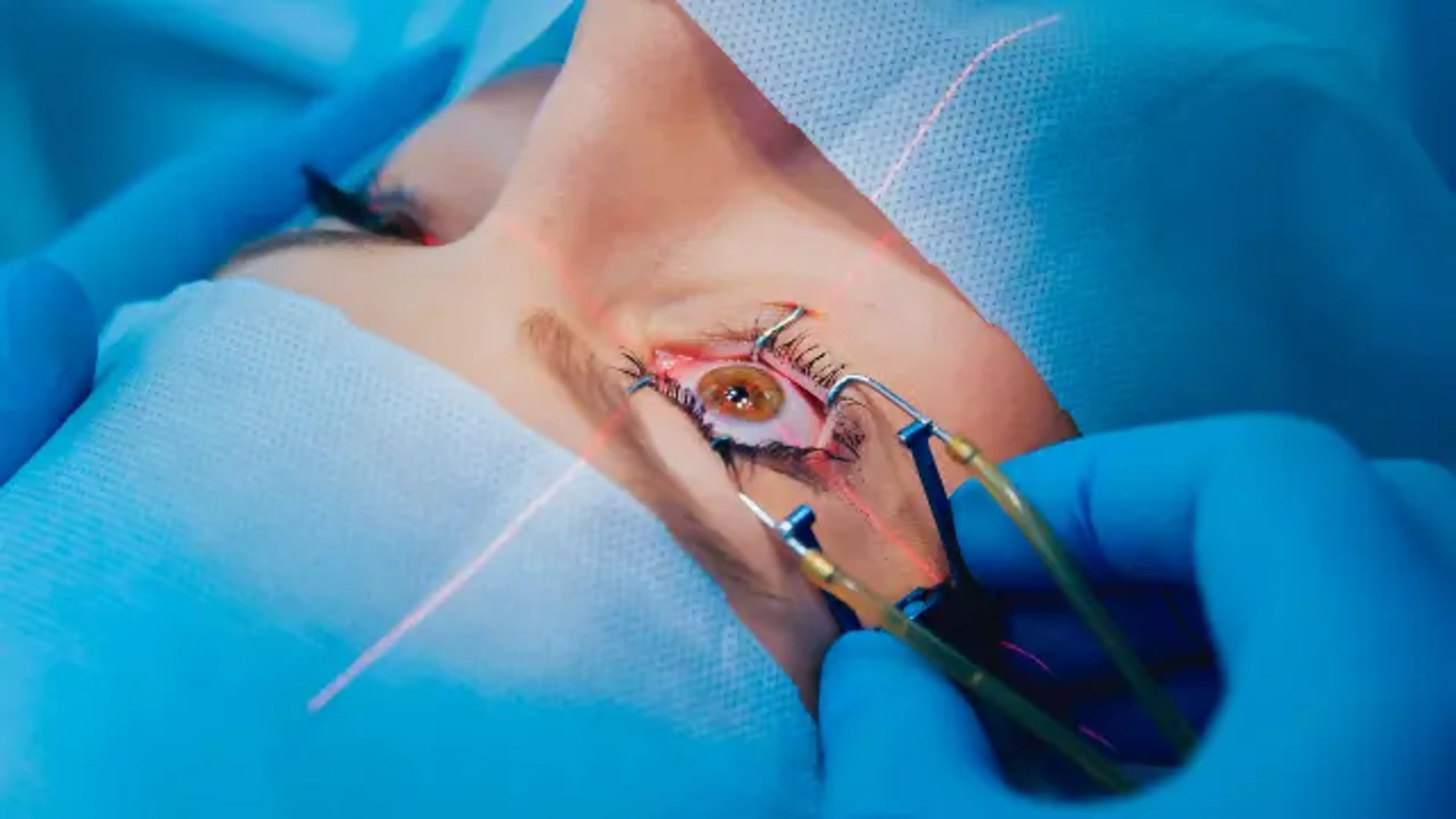
Many patients feel a mix of excitement and nervousness on the day of their procedure. Whether you are undergoing SMILE or LASIK, the process is surprisingly quick. Most laser surgeries take less than fifteen minutes for both eyes. We use numbing eye drops to ensure that you do not feel any pain during the procedure.
During SMILE LASIK, you will be asked to look at a small green light while the laser does its work. You might feel a slight pressure, but it is not painful. Dr. Kim Jun Heon and our surgical team will guide you through every step, providing reassurance throughout the process. One of the SMILE LASIK vs LASIK differences is that the laser portion of SMILE is very quiet and gentle.
After the procedure, you will spend a short time in our recovery lounge. We will check your eyes one last time and provide you with a kit containing protective sunglasses and medicated eye drops. Most patients find that their vision is already starting to improve by the time they leave the clinic. It is essential to have someone accompany you or to arrange for transport back to your hotel, as you should not drive immediately after surgery.
Recovery is a critical phase of your vision correction journey. For LASIK patients, the initial healing is very fast. You might experience some dryness or a scratchy sensation for a few hours, but this usually subsides by the next morning. SMILE patients often report even less discomfort due to the smaller incision.
In the first few days after surgery, it is important to avoid getting water in your eyes and to refrain from rubbing them. We also recommend avoiding dusty environments and intense physical activities for at least a week. If you are a resident of a busy city like Houston or Chicago, taking a few days to rest and recover in the comfort of your hotel in Seoul can be a wonderful way to ensure your eyes heal properly.
We schedule several follow up appointments to monitor your progress. For our international patients, we can coordinate these visits to fit your travel schedule. Most people are cleared to fly back home within a few days of their surgery. We provide you with a detailed recovery plan and are available 24/7 to answer any questions you may have once you return to the United States.
Long term success depends on following the post operative instructions carefully. Using your eye drops as prescribed and attending all follow up visits will help you achieve the best possible visual outcome. Most patients achieve their final, stable vision within three to six months, though the vast majority are enjoying clear sight much sooner.
While vision correction surgery is highly safe, no surgical procedure is without risk. It is important for patients to have realistic expectations and to understand the potential for side effects. Common temporary side effects include dry eyes, glare, and halos around lights at night. These symptoms usually improve as the eyes heal.
More serious complications, such as infection or issues with the corneal flap in LASIK, are very rare. One of the key SMILE LASIK vs LASIK differences is the absence of flap related risks in the SMILE procedure. This is why SMILE is often recommended for patients who have concerns about flap stability. During your consultation, Dr. Kim Jun Heon will discuss all potential risks in detail, taking into account your specific medical history and eye structure.
We use advanced screening technology to identify patients who might be at a higher risk for complications. If we determine that laser surgery is not the safest option for you, we will explore alternatives like ICL or suggest a different timing for your procedure. Our goal is to provide a life changing improvement in vision while minimizing any potential for adverse effects.
The ultimate goal of any vision correction surgery is high quality vision and patient satisfaction. Studies show that both SMILE and LASIK have exceptionally high success rates, with over 98 percent of patients achieving 20/20 vision or better. When we look at SMILE LASIK vs LASIK differences in terms of visual outcomes, both procedures are remarkably similar in their ability to provide clear, sharp sight.
Patient satisfaction goes beyond just the numbers on a vision chart. It is about the freedom to enjoy life without the burden of glasses. Whether it is hiking in the mountains near Phoenix or navigating the subways of New York City, the convenience of clear vision is life changing. Our patients frequently tell us that their only regret is not having the surgery sooner.
At Gangnam Joeunnun Vision Clinic, we take pride in the positive feedback we receive from our global community of patients. We are committed to maintaining the highest standards of clinical excellence and patient care. By choosing a clinic with a strong track record and a focus on advanced technology, you are giving yourself the best chance for a successful and satisfying result.
Precision is the hallmark of modern refractive surgery. To achieve the best results, we must have an incredibly detailed understanding of each patient's eyes. Our clinic in Seoul is equipped with a wide array of diagnostic tools that go beyond standard eye exams. We use corneal topography to create a three dimensional map of the surface of your eye, identifying any irregularities.
We also use wavefront analysis to measure how light travels through your entire eye. This helps us identify higher order aberrations, which are subtle imperfections that can affect the quality of your vision, especially in low light conditions. By using this data to guide our lasers, we can provide a truly customized treatment that is tailored to your unique optical profile.
This level of precision is one of the reasons why patients from across the USA choose to travel to Gangnam Joeunnun Vision Clinic. We do not believe in a one size fits all approach. Every eye is different, and our technology allows us to respect and account for those differences in every procedure we perform.
For patients with thin corneas, the choice often comes down to LASEK vs SMILE. Both procedures avoid the creation of a corneal flap, making them safer for certain eye types. However, the SMILE LASIK vs LASEK recovery experience is quite different. SMILE offers a much faster and more comfortable recovery, whereas LASEK involves a few days of discomfort and a slower visual improvement.
Dr. Kim Jun Heon often recommends SMILE for those who are eligible because of these recovery advantages. However, if a patient's prescription or corneal shape is not suitable for SMILE, LASEK remains an excellent and highly safe alternative. It is all about finding the right tool for the job. Our clinical expertise ensures that we can offer the most appropriate solution for every patient, regardless of the complexity of their case.
Having a range of options means we never have to compromise on safety or results. We will always prioritize the long term health of your eyes over the convenience of a faster recovery. This honest and patient centered approach is what has built our reputation as a trusted leader in vision correction.
As we look toward the future, the field of ophthalmology continues to advance at a rapid pace. New laser platforms are becoming even faster and more precise. The software that drives these lasers is becoming more intelligent, allowing for even better customization. We are also seeing improvements in the materials used for ICL, making them even more biocompatible and effective.
One of the most exciting developments is the continued expansion of SMILE technology. With improvements in the ZEISS VisuMax system, we can now treat a wider range of refractive errors with the same minimally invasive approach. This means that more patients who were previously only candidates for LASIK can now enjoy the benefits of SMILE.
At Gangnam Joeunnun Vision Clinic, we stay at the forefront of these advancements. We are committed to continuous learning and to bringing the best of global innovation to our patients in Seoul. Whether it is through participating in SCI indexed research or investing in the latest equipment, our focus remains on providing the best possible care today and in the years to come.
If you are considering traveling from New York City, Los Angeles, or any other US city to Seoul for vision surgery, you are joining a growing number of medical tourists. South Korea is known for its safety, cleanliness, and incredible food, making it an excellent destination for a medical trip. Most visitors from the USA do not require a complicated visa process, making travel relatively straightforward.
Our clinic is located in the heart of Gangnam, one of the most vibrant areas of Seoul. There are many high quality hotels nearby that are accustomed to hosting international medical patients. We can provide recommendations and even help with bookings to ensure you have a comfortable place to stay during your recovery.
We also offer language support to ensure there are no barriers to communication. Our team is fluent in English and experienced in working with patients from diverse cultural backgrounds. We want you to feel at home and well cared for throughout your journey with us. Choosing Gangnam Joeunnun Vision Clinic means choosing a world class experience from start to finish.
We understand that US patients may have concerns about receiving medical care abroad. One common question is about the standard of care. In South Korea, the medical training is rigorous, and the standards for clinics are extremely high. Gangnam Joeunnun Vision Clinic is a premier facility that meets and often exceeds international standards for safety and quality.
Another concern is follow up care. We provide every patient with a comprehensive record of their surgery and detailed instructions for their local eye doctor. We are also available for virtual follow up appointments to ensure that your recovery is progressing as expected. We have a network of professional connections that can help you find appropriate care in your home city if needed.
Finally, patients often ask about the SMILE LASIK vs LASIK differences in terms of long term stability. Research has shown that both procedures provide stable results over many years. The risk of your vision changing significantly after surgery is low, but if it does happen, enhancements are often possible. We are committed to your long term satisfaction and will be here to support you whenever you need us.
Over the years, we have had the privilege of helping thousands of patients achieve their dreams of clear vision. From professional athletes who needed the stability of SMILE to office workers in Chicago who wanted relief from the dryness of contact lenses, every story is unique.
One patient, a photographer from Los Angeles, shared how ICL changed her life by allowing her to see the fine details of her work without the constant struggle of glasses fogging up. Another patient, a student from New York City, described the joy of being able to participate in sports without worrying about losing a contact lens. These stories are a constant source of inspiration for Dr. Kim Jun Heon and our entire team.
We believe that every patient deserves this level of personalized care and life changing results. Our focus on clinical excellence, combined with a warm and empathetic approach, ensures that every person who walks through our doors feels valued and confident in their choice.
When it comes to your eyes, the experience of your surgeon is perhaps the most important factor. Dr. Kim Jun Heon has performed thousands of vision correction procedures, developing a level of skill that only comes with years of dedicated practice. He is a recognized expert in both laser and lens based surgeries.
Experience allows a surgeon to handle complex cases with confidence and to make the best decisions for each patient. It also means that the surgical team is well trained and the clinic's protocols are refined for maximum safety. At Gangnam Joeunnun Vision Clinic, we prioritize quality over quantity, ensuring that every patient receives the time and attention they deserve.
Our high volume of surgeries, particularly in SMILE LASIK, has made us a leading center for this technology. We are proud to be a clinic that other doctors look to for best practices and clinical insights. When you choose us, you are choosing a team with a proven track record of success and a deep commitment to the art and science of vision correction.
If you are ready to take the next step or have more questions about SMILE LASIK vs LASIK differences, please do not hesitate to reach out to us. We are here to provide the information and support you need to make an informed decision.
Choosing between SMILE LASIK, LASIK, LASEK, or ICL is a significant step toward a better quality of life. Each procedure has its own set of advantages, and the right choice depends on your specific vision needs, corneal structure, and lifestyle goals. By understanding the SMILE LASIK vs LASIK differences and exploring the full range of modern options, you can move forward with confidence.
At Gangnam Joeunnun Vision Clinic in Seoul, we are dedicated to helping you achieve the best possible vision through personalized care and advanced technology. Dr. Kim Jun Heon and our team of experts are here to guide you every step of the way, from your initial inquiry to your final follow up. We welcome patients from all over the world, including New York City, Los Angeles, and beyond, to experience the highest standard of ophthalmological care.
Clear vision is not just a dream, it is a reality that is within your reach. We invite you to contact us today to start your journey toward visual freedom. Our team is ready to answer your questions and help you discover which procedure will help you see the world with newfound clarity.
Dr. Kim Jun Heon is the Representative Director of Gangnam Joeunnun Vision Clinic in Seoul, South Korea, and a specialist in corneal and refractive surgery. His clinical focus encompasses SMILE LASIK, ICL implantation, cataract surgery, and advanced vision correction procedures, with a current surgical volume of approximately 200+ procedures per year. Dr. Kim is a ZEISS Clinical Collaboration Partner — the developer of SMILE technology — and the author of SCI-indexed peer-reviewed research in refractive and corneal surgery. He is a member of the Korean Ophthalmological Society and relevant international refractive surgery professional bodies.
For consultations:
A. Most patients experience significantly improved vision within 24 hours. While peak clarity might take a few extra days compared to LASIK, you can usually return to most normal activities, including work and light exercise, the very next day.
A. Yes, SMILE is an excellent option for many patients with astigmatism. In 2026, the technology has advanced to treat higher levels of astigmatism with great precision. Dr. Kim Jun Heon will determine if your specific level of astigmatism is suitable for the procedure.
A. Neither is objectively better for everyone. SMILE is often preferred for patients with active lifestyles or dry eye concerns because it is more minimally invasive. LASIK is highly reliable and can treat a wider range of vision problems, including farsightedness. The best choice depends on your unique eyes.
A. Generally, patients should be at least 18 to 21 years old. It is crucial that your vision has been stable for at least one to two years before undergoing surgery. We carefully review your vision history during the consultation.
A. Yes, one of the main advantages of ICL is that it is reversible. The lens can be surgically removed or replaced if your vision changes or if you develop other eye conditions later in life, such as cataracts.
A. The primary difference is the way the cornea is accessed. LASIK involves creating a thin flap on the surface of the eye, while SMILE uses a tiny incision to remove a small piece of tissue from inside the cornea. This makes SMILE a minimally invasive and flapless procedure.