Home / Articles
What Is the Role of IOL in Restoring Vision After Cataract Surgery?
Home / Articles
What Is the Role of IOL in Restoring Vision After Cataract Surgery?
Have you ever noticed your vision becoming hazy, as though you’re looking through a layer of mist? For many people, this gradual blur is one of the first signs of cataract — a natural part of aging that affects the eye’s clear lens. What surprises most patients is that cataract surgery today doesn’t just restore vision — it can actually improve it beyond what glasses or contact lenses once provided.
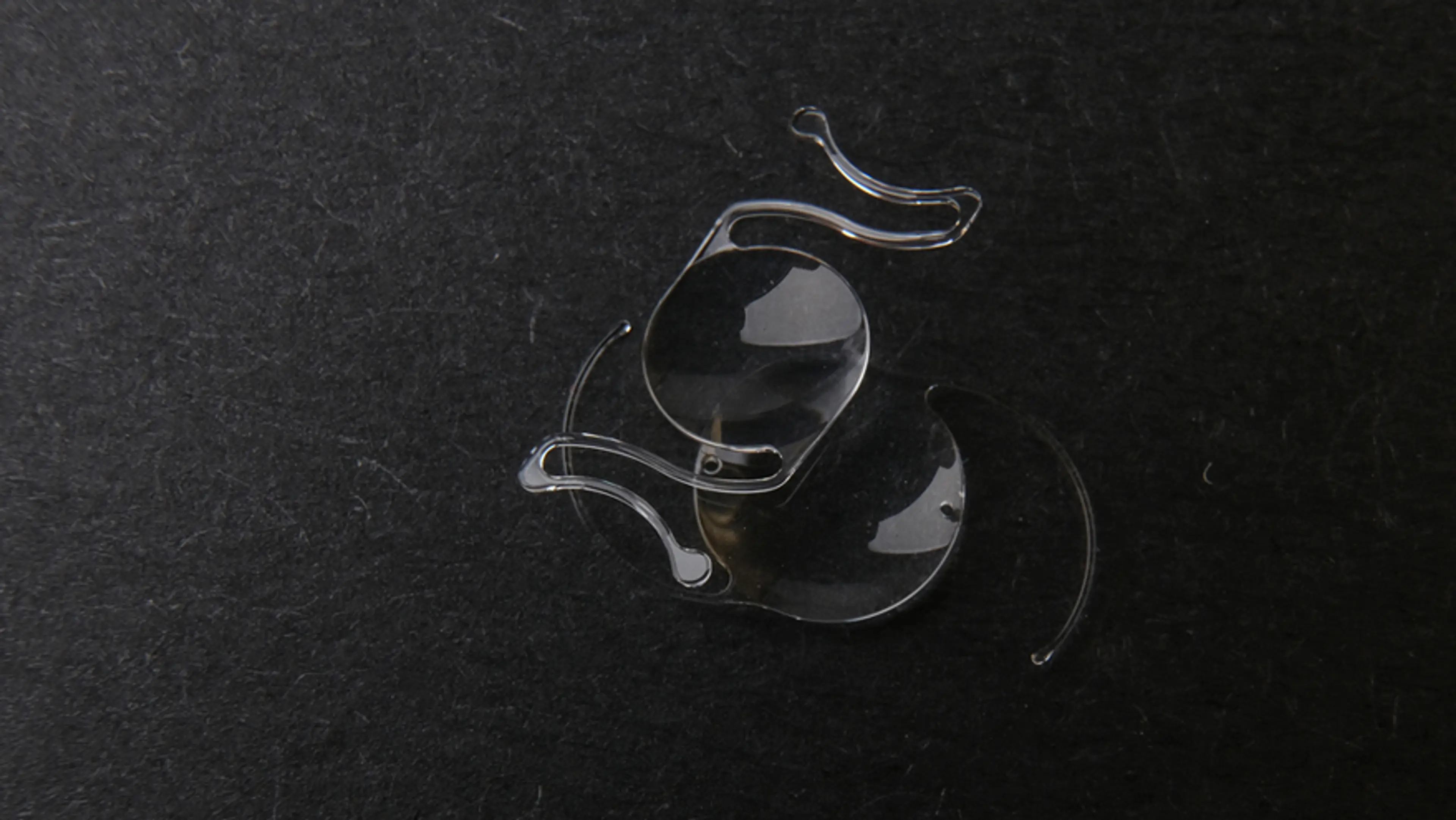
At the heart of this transformation lies a small but powerful device called the intraocular lens (IOL). This artificial lens doesn’t merely replace the clouded one; it’s engineered to focus light with precision, offering patients the chance to see the world in its full clarity again.
At Gangnam Joeunnun Vision Clinic, we see IOLs as more than medical implants — they’re instruments of renewal. With advanced ZEISS diagnostic systems and over 16 years of surgical experience, Dr. Kim Jun-heon and his team carefully select and implant each IOL to suit the patient’s unique lifestyle and vision goals. Whether you wish to read without glasses, drive comfortably at night, or simply regain the color and brightness you once had, the right IOL makes all the difference.
A cataract occurs when the natural crystalline lens of the eye — which focuses light onto the retina — becomes cloudy. Over time, this cloudiness scatters light instead of focusing it, leading to blurred vision, glare, and difficulty seeing at night.
In Korea, where reading, screen use, and visual clarity are deeply tied to professional and daily life, cataracts can impact quality of life much earlier than people expect. Many patients in their 40s and 50s begin to notice subtle visual changes, especially when reading on smartphones or driving at night.
When the clouded lens is removed through surgery, something has to take its place to restore proper focusing power. That’s where the IOL comes in.
An Intraocular Lens (IOL) is an artificial lens implanted inside the eye to replace the natural lens removed during cataract surgery. Made of biocompatible materials such as acrylic or silicone, it is designed to stay in the eye permanently.
Think of the IOL as the eye’s new focusing lens — clear, stable, and precisely engineered. Once implanted, it bends incoming light rays to ensure they converge perfectly on the retina, restoring sharp, vivid vision.
At Gangnam Joeunnun Vision Clinic, we often explain it this way to our patients:
“If your eye were a camera, the cataract is like a foggy lens. The IOL is the new, crystal-clear lens that restores the camera’s ability to capture life in focus again.”
The first and most crucial role of an IOL is to replace the cataract-affected lens. During surgery, the cloudy lens is emulsified (using ultrasound or femtosecond laser technology) and removed. The IOL is then gently inserted through a micro-incision — often smaller than 2.5mm — and positioned precisely where the natural lens used to be.
Modern surgical techniques, such as those performed at Gangnam Joeunnun Vision Clinic, ensure that this process is minimally invasive, allowing for faster recovery and greater accuracy.
Each person’s eye has a unique curvature and length, meaning every IOL must be carefully selected based on precise measurements. Advanced diagnostic tools like ZEISS IOLMaster are used to calculate the ideal lens power for each individual eye.
This customization allows the new IOL to provide vision correction tailored to the patient’s optical system — often eliminating the need for glasses or contact lenses after surgery.
One of the most exciting advances in cataract surgery is that IOLs can now correct pre-existing refractive errors such as:
This means that cataract surgery is not just about removing the cloudy lens — it’s also an opportunity to enhance visual quality and reduce dependence on corrective eyewear.
Choosing the right IOL is a crucial step in determining your visual outcome after cataract surgery. There’s no single “best” lens — rather, the right choice depends on your lifestyle, visual needs, and eye condition.
At Gangnam Joeunnun Vision Clinic, Dr. Kim Jun-heon personally evaluates each patient’s visual goals, daily habits, and ocular health to recommend the most suitable IOL option.
Let’s look at the main categories:
Provides sharp vision at a single focal point (usually for distance).
Glasses are often needed for reading or computer use.
Ideal for patients who prioritize crisp distance vision and prefer simplicity.
Monofocal lenses remain the standard for many patients because of their reliability and optical quality.
Designed with multiple zones that focus light for near, intermediate, and far distances.
Reduces the need for glasses in most daily activities.
May cause mild halos or glare at night, though modern designs have minimized these effects.
Patients who desire greater independence from glasses — especially those with active lifestyles — often choose this option.
Specifically designed to correct corneal astigmatism.
Improves clarity and sharpness by compensating for uneven curvature of the cornea.
At Gangnam Joeunnun Vision Clinic, toric IOLs are selected based on precise corneal mapping, ensuring that the correction aligns perfectly with the individual’s corneal axis.
Provides a continuous range of vision from distance to intermediate (great for driving and computer use).
Offers smoother transitions between focal points with fewer night vision disturbances.
EDOF lenses represent the latest evolution in IOL technology — combining clarity, contrast, and comfort for modern lifestyles that involve screens and dynamic visual demands.
At Gangnam Joeunnun Vision Clinic, cataract surgery is performed using ZEISS femtosecond laser-assisted systems and high-definition imaging technologies that ensure accuracy at every step — from lens power calculation to alignment.
Dr. Kim Jun-heon, who has extensive experience in refractive and cataract surgeries, emphasizes that:
“The success of cataract surgery doesn’t depend only on removing the cataract. It depends on how precisely we can match the right IOL to the patient’s visual needs.”
By combining clinical precision with personalized care, the clinic’s approach ensures not only restored clarity but also visual comfort — a crucial factor in long-term satisfaction.
After surgery, most patients notice improved brightness and color perception almost immediately. Vision typically stabilizes over several days to weeks as the eye adjusts to the new lens.
Depending on the type of IOL implanted, some patients achieve near-perfect distance and reading vision without glasses. Others may still use glasses for fine tasks, depending on their lifestyle preferences.
Postoperative care includes eye drops to prevent inflammation and infection, along with follow-up visits to ensure proper healing and lens positioning.
Many patients describe their post-surgery experience as “rediscovering color” — noticing how vivid and clear the world looks once the yellowish haze of cataract is gone.
The world after cataract surgery can be astonishingly vivid — colors sharpen, contrasts return, and life’s details regain their sparkle. This clarity is made possible by the intraocular lens, which replaces the cloudy natural lens and restores precise focus.
But the real key lies in choosing the right IOL and the right clinic. With the rapid evolution of lens technology, cataract surgery has become a personalized vision correction experience rather than a routine medical procedure.
At Gangnam Joeunnun Vision Clinic, our focus is not just on removing the cataract — it’s on designing a visual future that feels natural, comfortable, and free. Every IOL we implant represents our commitment to helping patients live their daily lives with confidence and clarity.