Home / Articles
What to Do if You Experience Problems with Your IOL After Cataract Surgery
Home / Articles
What to Do if You Experience Problems with Your IOL After Cataract Surgery
Cataract surgery has become a routine procedure, offering life-changing results for millions of people worldwide. At the heart of this surgery is the implantation of an intraocular lens (IOL), a small, artificial lens that replaces the eye's cloudy natural lens. While the procedure is highly successful, like any surgery, it’s not without its risks. If you’ve recently undergone cataract surgery and are experiencing problems with your IOL, such as blurry vision, glare, or discomfort, you may be wondering what to do next. Understanding the potential issues and knowing how to address them can make a world of difference in ensuring your vision remains clear and comfortable. In this article, we'll explore common IOL problems after cataract surgery and provide guidance on how to tackle them.
Cataract surgery is one of the most common and effective procedures performed globally to restore clear vision. Central to this surgery is the implantation of an intraocular lens (IOL), which serves as a replacement for the eye's clouded natural lens that is removed during the procedure. If you've had cataract surgery, the IOL plays a crucial role in determining the clarity and quality of your vision post-surgery.
But what exactly is an IOL, and how does it work?
An IOL is a small, artificial lens that is carefully implanted inside the eye after the cataract is removed. It sits in the same location as the original lens, right behind the iris, where it helps focus light onto the retina, providing clear vision.
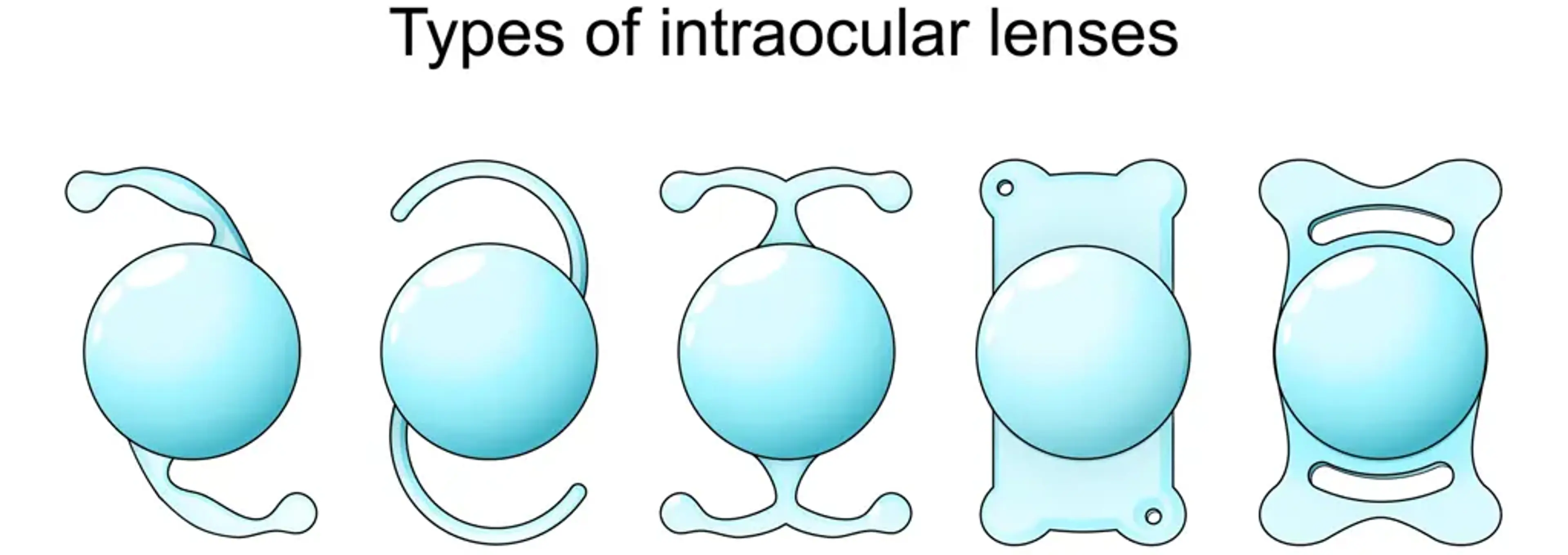
There are different types of IOLs, each designed to meet specific vision needs. Some patients may only need a basic monofocal IOL for distance vision, while others may opt for advanced lenses, like multifocal or toric IOLs, that can reduce or eliminate the need for glasses for both distance and near vision.
IOLs are made from materials such as silicone, acrylic, or hydrogel, and they're typically designed to be lightweight and biocompatible. This means they’re safe to remain inside the eye long-term, with minimal risk of rejection or discomfort.
While complications after cataract surgery are relatively rare, they can happen. The following are some of the common issues associated with IOLs:
If you're experiencing any of the symptoms listed above, it's important not to panic. Problems with IOLs can often be managed effectively, but it’s essential to seek professional advice as soon as possible. Here's what to do:
If you're noticing any issues with your vision, the first step is to schedule an appointment with your ophthalmologist or cataract surgeon. At Gangnam Joeunnun Vision Clinic, for example, patients benefit from thorough post-operative care and ongoing follow-up, ensuring any potential complications are identified and treated early.
A comprehensive eye exam will help your doctor assess the situation and determine the exact cause of your vision problems. Be prepared to describe your symptoms in detail, including when they started and how they affect your daily activities.
If PCO is diagnosed, the treatment is straightforward. A procedure called YAG laser capsulotomy is often performed. This involves using a laser to create a small opening in the cloudy capsule, restoring clarity to your vision. It's a quick, painless procedure, usually done on an outpatient basis.
If the IOL has shifted out of position or is misaligned, surgery may be required to reposition or replace the lens. Depending on the severity of the dislocation, your ophthalmologist may recommend either a conservative approach or surgery to correct the issue.
For patients experiencing glare, halos, or double vision, your doctor may recommend a specialized treatment, such as the use of glare-reducing lenses, or adjusting the IOL. In some cases, a refractive laser treatment can be used to enhance the focus of the IOL and improve clarity, especially at night.
If you're having trouble with near or far vision after surgery, your surgeon might suggest corrective lenses or even the replacement of the IOL if it was the wrong type for your needs. In some cases, IOL exchange surgery may be necessary to achieve better results, especially if the initial lens doesn't meet your vision goals.
If you're experiencing pain, redness, or swelling, it's crucial to contact your doctor right away. An infection or inflammation within the eye requires immediate attention and treatment with antibiotics or anti-inflammatory medications. Delaying treatment could lead to more serious complications.
Even if you're not experiencing immediate issues, regular check-ups with your ophthalmologist are essential to ensure that your eye health is stable and that the IOL continues to function properly. Gangnam Joeunnun Vision Clinic places a strong emphasis on post-surgery follow-up, offering personalized care to ensure long-term success.
While most IOL-related problems are manageable, there are a few steps you can take to minimize risks and ensure the best possible outcome:
Experiencing problems with your IOL after cataract surgery can be unsettling, but it’s important to remember that most issues are manageable with timely and effective treatment. Whether it's a slight misalignment, glare, or posterior capsule opacification, addressing the problem early on can help restore your vision and ensure the long-term success of your surgery. If you’re facing any challenges with your IOL, don’t hesitate to reach out to your ophthalmologist for a comprehensive evaluation.