Home / Articles
What to Expect During Your ICL Surgery Consultation and Procedure
Home / Articles
What to Expect During Your ICL Surgery Consultation and Procedure
For many people in Korea — from hard-working students preparing for exams, to busy professionals in Gangnam’s fast-paced offices — poor eyesight is more than an inconvenience. It’s a daily barrier. Glasses fog up on the subway. Contact lenses dry out after hours of computer work. And for those who love fitness or outdoor activities, vision correction can feel like a constant juggling act.
In recent years, vision correction surgery like LASIK or SMILE has become a rite of passage for many young Koreans. It’s convenient, fast, and often life-changing. But what happens if you're told you're not a good candidate for laser eye surgery?
That’s where ICL (Implantable Collamer Lens) surgery comes in — a lesser-known but incredibly effective alternative for those who want sharp, stable vision without compromising corneal tissue.
At Gangnam Joeunnun Vision Clinic, we’ve helped thousands of patients regain clarity through ICL, especially those with high prescriptions, thin corneas, or chronic dry eyes. If you're curious about ICL and wondering what the journey looks like — from consultation to post-op recovery — this article is your complete roadmap.
Let’s walk you through the entire ICL process, with insights drawn directly from our surgical team and patient care experience.
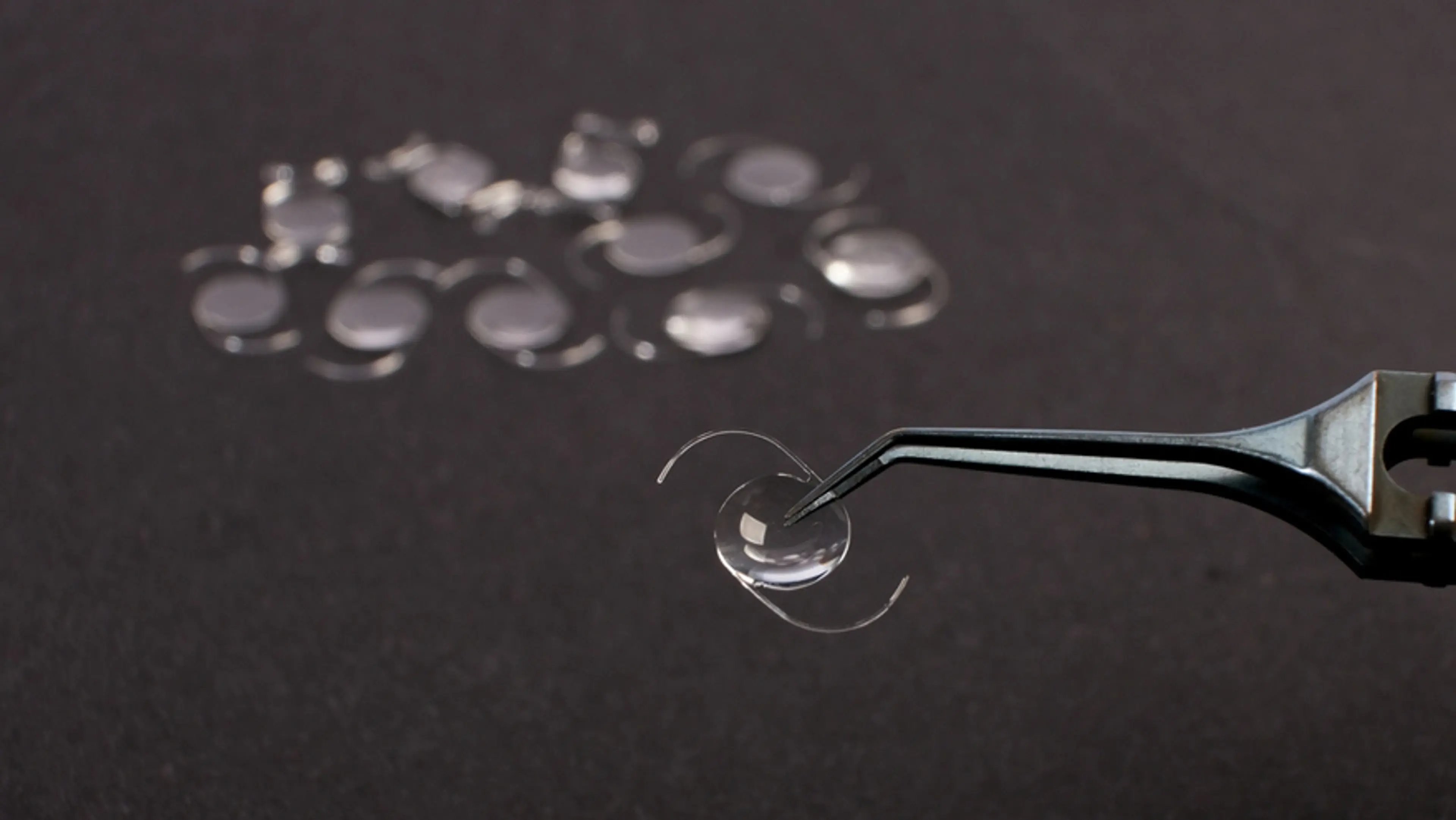
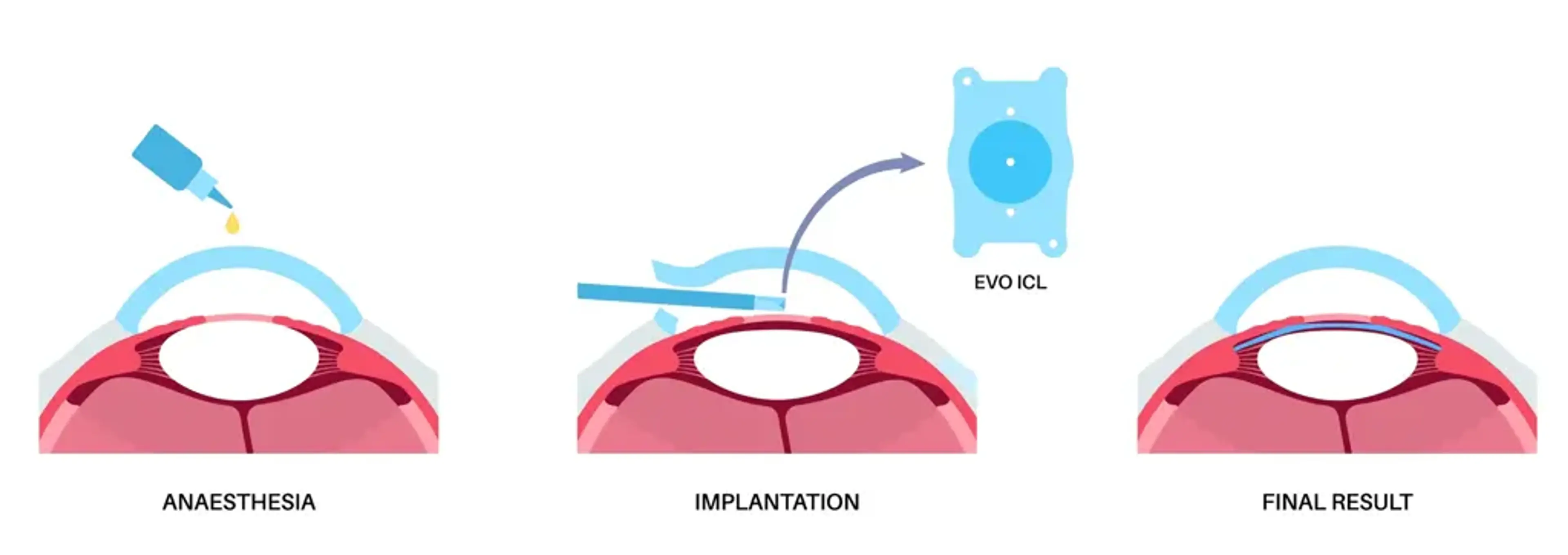
ICL stands for Implantable Collamer Lens — a specially designed, biocompatible lens that’s implanted inside your eye, between the iris and your natural lens. Unlike LASIK or SMILE, ICL doesn't involve reshaping the cornea. Instead, it works like a permanent contact lens, offering sharp vision without removing any tissue.
It’s often recommended for patients who:
Imagine replacing the blurred filter of poor eyesight with a custom high-definition lens, all without disturbing the natural shape of your eye. That’s what ICL offers — a quiet, precise correction from the inside out.
That’s because a successful ICL procedure starts long before you lie down in the operating room. It starts with data, precision, and a clear understanding of your eye anatomy.
At Gangnam Joeunnun Vision Clinic, our ICL consultation typically takes 1.5 to 2 hours, including over 20 high-resolution diagnostic scans. We take our time because there’s no margin for error — ICL lenses are custom-made for each patient, and they must fit perfectly.
We also perform a cycloplegic refraction, which temporarily paralyzes your eye's focusing ability to reveal your true prescription — especially important in young adults whose eyes still accommodate.
After your tests, you’ll meet directly with Dr. Kim Jun-heon, our lead refractive surgeon and SMILE/ICL specialist. Dr. Kim doesn’t rush. He walks you through every scan, explains whether you're a good candidate, and addresses concerns you may not have even considered.
This part of the consultation is a conversation, not a sales pitch. If ICL isn’t right for you, we’ll say so. If there’s a better option — like SMILE or toric ICL for astigmatism — we’ll recommend that instead.
Once you're approved for ICL, the next steps are smooth but essential. Our care team will give you detailed instructions, but here’s what to expect in the days leading up to surgery:
Stop wearing:
This allows your cornea to return to its natural shape, ensuring accurate sizing of your implant lens.
You’ll be given antibiotic and anti-inflammatory drops to use a few days before surgery. These help prevent infection and keep the eye calm and clean.
In some cases, we may recommend a YAG laser iridotomy — a 1–2 minute outpatient procedure that creates a tiny opening in the iris to prevent fluid buildup behind the lens. It’s painless, done before surgery, and only required in certain eye anatomies.
Here’s something many patients find surprising:
“I was more nervous going to the dentist than coming here.”
A light sedative may be offered if you’re feeling anxious
No general anesthesia — just local drops and a comfortable environment
Dr. Kim makes a small 3mm incision and uses a micro-injector to place the folded ICL between your iris and lens. Once inserted, the lens unfolds and is gently positioned. The incision is self-sealing, so no stitches are needed.
The entire process is:
Painless
Bloodless
Minimally invasive
Most patients report seeing clearer even before they leave the clinic.
You’ll go home with an eye shield and detailed care instructions. Common sensations include:
Slight pressure or dryness
Light sensitivity
Blurry or foggy vision (temporary)
Halos around lights (especially at night)
These usually subside within a few days.
If you're from overseas or traveling, we can coordinate this schedule accordingly.
To be honest, many people think of ICL as a "second choice" after being rejected for LASIK. But that’s a misconception.
Here’s the reality:
And thanks to improved lens designs, side effects like halos are now minimal and temporary
At our clinic, we’ve had patients with prescriptions over -10.00D who went from wearing thick glasses every day to waking up and seeing 20/20. No regrets — only clarity.
By the time most patients reach our doors in Gangnam, they’ve already done their research. They know about LASIK. They’ve heard of SMILE. And when they hear about ICL, they often ask:
“Is this the right option for me… or just a backup?”
It offers a path forward for patients with high myopia, thin corneas, dry eyes, or simply a desire for a reversible, non-laser vision correction method. And thanks to advances in lens design and surgical technique, the procedure is safer, more comfortable, and more precise than ever before.
At Gangnam Joeunnun Vision Clinic, we’re not just trying to correct your vision. We’re trying to help you make the most informed, confident, and customized decision possible. That’s why our consultation process is detailed. Our technology is ZEISS-certified. And our surgical care is led by Dr. Kim Jun-heon, a specialist with over 16 years of experience in refractive surgery.