Introduction:
introduction:When it comes to improving your vision, Implantable Collamer Lens (ICL) surgery is an advanced, minimally invasive option that has transformed the lives of many patients. Unlike traditional glasses or contact lenses, ICL offers a long-term solution by surgically implanting a lens inside your eye to correct refractive errors like nearsightedness, farsightedness, and astigmatism. While the procedure itself is relatively quick and effective, understanding what happens during recovery is just as important. Knowing what to expect during the healing process can ease any anxiety and ensure the best possible outcome for your vision. At Gangnam Joeunnun Vision Clinic, we prioritize patient care and guide you through every step of your recovery, making it as smooth as possible. This step-by-step guide will walk you through the typical recovery stages after ICL surgery, helping you feel informed and confident throughout the process.
What Is ICL Surgery?
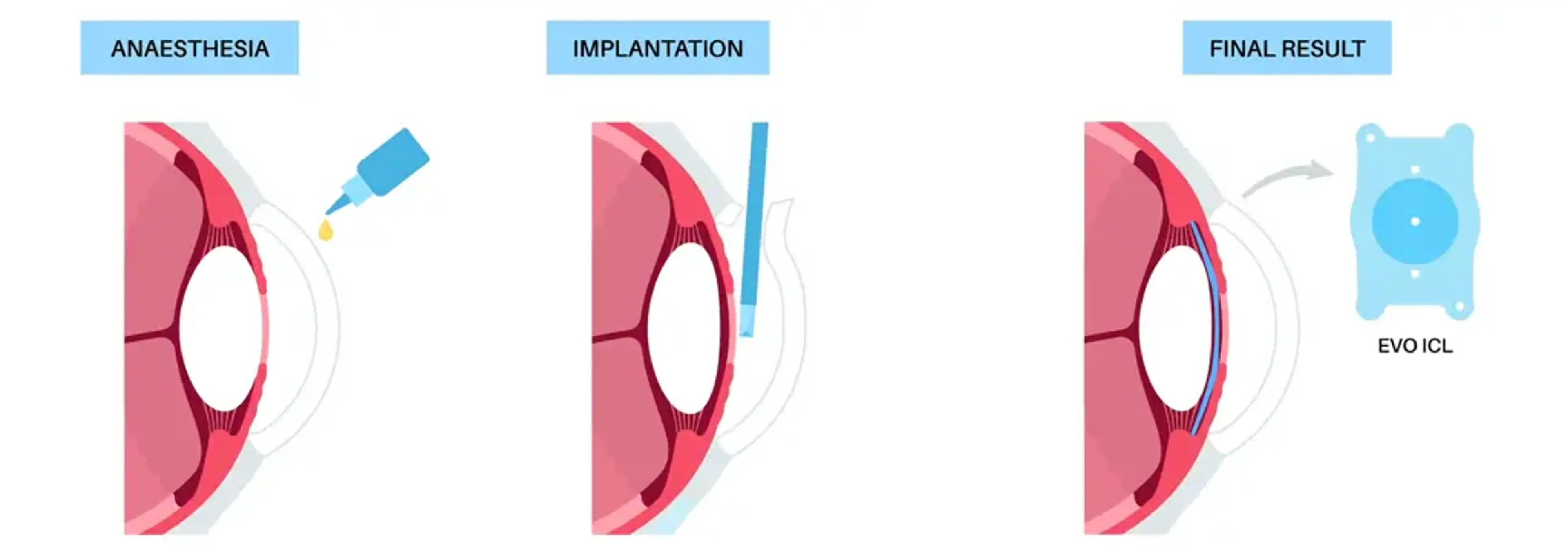
what-is-icl-surgeryBefore diving into recovery, let’s quickly revisit what ICL surgery involves. Implantable Collamer Lens (ICL) surgery is a procedure where a custom lens is implanted inside the eye, in front of the natural lens, to correct refractive vision problems like nearsightedness, farsightedness, or astigmatism. It is an excellent option for people who may not be suitable candidates for LASIK due to thin corneas or high prescriptions.
Immediate Post-Op Care: The First Few Hours
immediate-post-op-care:-the-first-few-hoursRight after ICL surgery, you will be moved to a recovery room where the medical staff will monitor you for any immediate concerns. During this time, it’s normal to experience some mild discomfort, such as a sensation of pressure or dryness in the eyes. You may also experience some blurry vision, but this is temporary as the eyes adjust to the new lenses.
What to Expect:
Rest: You will need to rest for the first few hours. This allows your eyes to begin the healing process. The discomfort you feel will likely be minimal but may include sensitivity to light, redness, or slight swelling around the eyes.
Eye Drops: Your doctor will prescribe eye drops to reduce inflammation, prevent infection, and keep your eyes hydrated. These will be essential in the first few days of recovery.
Protective Shield: You may be asked to wear a protective shield over your eyes, especially when sleeping, to avoid accidentally rubbing them.
The First 24 Hours: Rest and Care
the-first-24-hours:-rest-and-care
After the procedure, your doctor will ask you to rest and avoid any strenuous activities. This is one of the most crucial phases of your recovery. The first 24 hours are about giving your eyes time to heal and preventing any unnecessary strain.
What to Expect:
Mild Discomfort: You may feel a little gritty sensation in your eyes or slight discomfort, but this should fade by the next day.
Blurry Vision: Your vision may still be blurry or fluctuating. Don’t worry; this is typical as the eyes adjust to the implanted lens. Your vision should improve over the next few days.
Avoid Strain: Resist the urge to rub your eyes or engage in any activity that might put pressure on them, like heavy lifting, bending over, or intense physical exercise.
Follow-Up Appointment: You’ll likely have a follow-up visit the next day to ensure everything is progressing well. The surgeon will check your eyes for any signs of complications and adjust your treatment plan if necessary.
Week 1: The Early Healing Phase
week-1:-the-early-healing-phaseBy the time you reach the one-week mark, most patients will notice improvements in their vision, though the healing process is ongoing. During this week, you’ll need to continue taking good care of your eyes and follow your doctor’s instructions closely.
What to Expect:
Vision Improvements: Vision typically improves gradually. You may still experience some fluctuating vision as your eyes continue to heal and adjust to the new lenses. If you notice any significant changes or worsening symptoms, don't hesitate to contact your doctor.
Eye Drops: Continue using your prescribed eye drops to prevent infection and reduce inflammation.
Sensitivity to Light: It's common to experience some light sensitivity, especially in bright environments. Wearing sunglasses when outdoors can help mitigate this discomfort.
Limit Activities: Avoid swimming, dusty environments, and activities that might increase your risk of infection or irritation. Also, try not to read or use digital screens for extended periods during this phase to prevent eye strain.
Week 2–4: Vision Stabilization
week-2-4:-vision-stabilization
During weeks two through four, your vision will likely become much clearer and more stable. For many patients, this is when the full benefits of the ICL surgery start to take shape, and you’ll notice more clarity and precision in your day-to-day activities.
What to Expect:
Improved Clarity: Your vision should be significantly clearer by this point. While some minor fluctuations may still occur, any major issues will likely have been addressed by your surgeon.
Reduced Discomfort: Any initial discomfort should be minimal by now. Dryness or a sensation of something in the eye can still happen, but it will be less frequent.
More Independence: Many patients can resume normal activities during this phase. You should be able to drive, work, and enjoy your daily routines, but keep in mind that your doctor may recommend avoiding high-impact activities (such as sports or heavy workouts) until you're fully healed.
Month 1: Continued Healing
month-1:-continued-healingBy the end of the first month, most patients experience the full benefits of ICL surgery. The discomfort should be minimal, and vision clarity should be much better, allowing you to enjoy your new, improved vision.
What to Expect:
Final Vision Adjustment: Vision may still improve slightly as the eye continues to adjust to the lens. If there’s any residual vision fluctuation, it typically stabilizes during this time.
Follow-Up Appointment: You’ll likely have another follow-up at this stage to ensure proper healing and to check the positioning of the ICL. Your surgeon will assess whether additional care or adjustments are needed.
Months 2–6: Long-Term Recovery and Vision Stabilization
months-2-6:-long-term-recovery-and-vision-stabilizationFor most patients, the recovery process will be largely complete within six months, but your eyes will continue to stabilize and adjust to the ICL lens. Any minor residual vision issues should resolve by this time.
What to Expect:
Stable Vision: By now, your vision should be fully stabilized, and most patients experience 20/25 or better vision, depending on their initial condition. You should be able to enjoy clear, sharp sight without glasses or contacts.
Eye Health: Continue regular follow-up visits with your ophthalmologist to monitor your eye health and ensure that your ICL lenses remain in good condition.
Things to Keep in Mind
things-to-keep-in-mindWhile ICL surgery boasts a high success rate, there are still a few things you should keep in mind during the recovery process to ensure optimal results:
Listen to Your Doctor: Following post-surgical instructions carefully is critical. Your surgeon may provide specific advice based on your unique case, and adhering to this guidance can prevent complications.
Patience Is Key: Every patient heals at their own pace. While many people experience fast results, others may take longer to fully recover. The key is to be patient and give your eyes time to adjust.
Report Any Issues: While complications are rare, it’s important to contact your doctor if you experience significant pain, redness, or sudden changes in your vision.
Conclusion
conclusionRecovering from ICL surgery is a journey that, for most patients, results in clear, sharp vision and the freedom from glasses or contact lenses. By following the right post-surgery care and being patient with the healing process, you can expect a smooth recovery and enjoy the benefits of improved vision in the months that follow. Every person heals differently, but with the expertise of our team at Gangnam Joeunnun Vision Clinic, led by Dr. Kim Jun-heon, we’re here to support you through each stage of your recovery. If you're considering ICL surgery or are in the recovery phase, we encourage you to reach out for personalized care and guidance. Your new, clearer vision is just a step away!