Home / Articles
Why Choose Laser-Assisted Cataract Surgery for Your Cataracts?
Home / Articles
Why Choose Laser-Assisted Cataract Surgery for Your Cataracts?
Imagine sitting in a café in Gangnam on a bright afternoon. You lift your coffee to your lips and glance out the window, but the world outside feels hazy. Street signs aren’t sharp, colors appear dull, and when night falls, the glare of headlights makes crossing the road feel overwhelming. For many people in Korea — and across the world — this is the reality of cataracts.
Cataracts are a natural part of aging, but that doesn’t make them any less disruptive. In a society where sharp vision supports everything from digital work to driving safely on busy roads, losing clarity can feel like losing independence. Fortunately, modern medicine has given us more than just “a way” to remove cataracts. It has given us choices — choices that affect not only how safely the cloudy lens is removed, but also the quality of vision you’ll enjoy for years to come.
One of the most transformative options available today is laser-assisted cataract surgery. While traditional cataract surgery remains effective, laser technology has introduced a new level of precision and customization. At Gangnam Joeunnun Vision Clinic, where we specialize in advanced refractive and cataract procedures, many of our patients are surprised to learn just how much of a difference this approach can make.
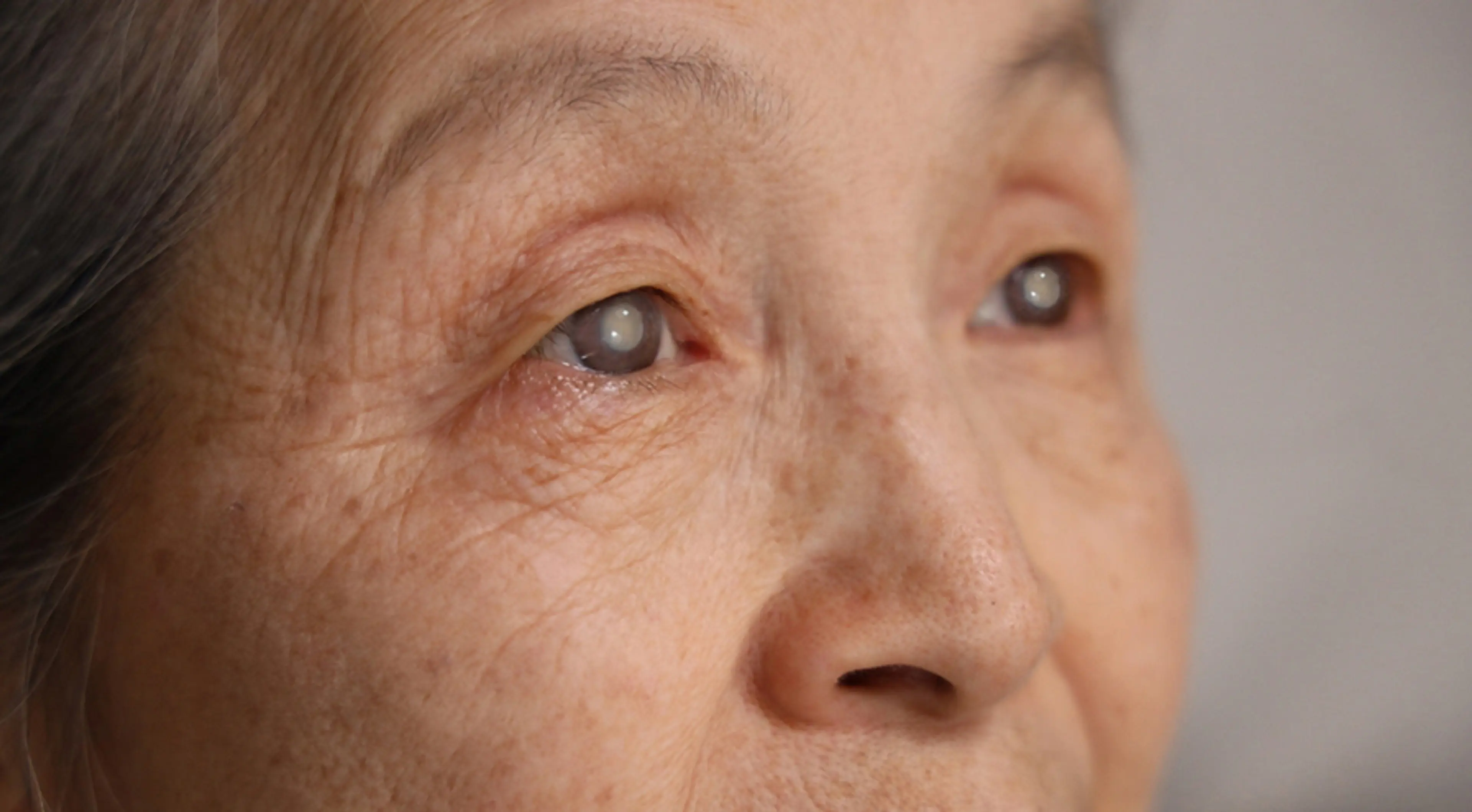
The human eye functions much like a camera. Light passes through the cornea and lens, focusing onto the retina, which then sends images to the brain. With age, the once-clear lens inside the eye gradually becomes cloudy. This cloudiness — called a cataract — blocks and scatters light, creating symptoms such as:
Blurred or foggy vision
Difficulty seeing at night
Increased sensitivity to glare
Colors appearing faded or yellowish
Double vision in one eye
In Korea, where people often rely heavily on night driving, extended screen use, and close-up work, even early cataracts can feel particularly disruptive. Left untreated, cataracts worsen over time, leading to significant vision loss. The only effective treatment is surgery.
For decades, cataract surgery has been performed using a handheld blade to create small incisions in the cornea. The surgeon then inserts instruments to break up the cloudy lens (usually with ultrasound energy) before replacing it with a clear artificial lens called an intraocular lens (IOL). This method is safe and has restored sight to millions worldwide.
Laser-assisted cataract surgery introduces femtosecond laser technology — the same precise laser used in advanced vision correction surgeries like LASIK and SMILE. Instead of manual incisions, the laser creates highly accurate openings in the cornea and pre-softens the cataract lens for easier removal.
The difference may sound subtle, but in practice it’s like the contrast between drawing freehand with a pen versus using a precision laser cutter. Both can get the job done, but one allows for consistency and customization beyond what the human hand can achieve alone.
At first, it might seem like cataract surgery is simply about removing the clouded lens. But the truth is, modern cataract surgery is about optimizing your long-term vision quality. This is where precision becomes essential:
The cataract is removed, but what replaces it is just as important: the intraocular lens (IOL). Here’s where the conversation often becomes most personal. Patients don’t just want to see again — they want to see well enough to live the life they want.
Types of IOLs available include:
Laser-assisted surgery plays a critical role in optimizing IOL outcomes. For example, precise laser-created incisions ensure that toric lenses are aligned perfectly — a small misalignment can significantly reduce their effectiveness.
Patients often ask: “Will I really notice the difference?” Based on our clinic’s experience, the answer is yes. Here’s how:
To put it in perspective: it’s like replacing the foggy lens in a camera. Traditional surgery clears the haze, but laser-assisted surgery also fine-tunes the alignment, producing crisp, vibrant images.
While laser-assisted cataract surgery isn’t necessary for everyone, it’s particularly beneficial for:
Patients with astigmatism
Those considering premium IOLs (multifocal, trifocal, or toric lenses)
Patients who prioritize the safest and most advanced approach
Active individuals who want to minimize downtime and maximize visual independence
At our clinic in the heart of Gangnam, we’ve seen how combining advanced technology with careful planning transforms patient outcomes. Dr. Kim Jun-heon, who has specialized in refractive and cataract surgery for over 16 years, brings a unique perspective: his expertise in laser-based procedures like SMILE and LASIK enhances his precision with laser-assisted cataract surgery.
We also work closely with ZEISS, a global leader in optics and surgical technology, ensuring that every step — from preoperative imaging to lens implantation — is performed with world-class accuracy. Patients consistently tell us that the technology is impressive, but what reassures them most is the personalized care they receive: clear explanations, thorough evaluations, and surgical plans designed around their lifestyle.
To be honest, what many people overlook is that cataract surgery isn’t just a medical decision — it’s an emotional one. The thought of surgery on the eyes can be frightening. We understand this deeply. That’s why we take the time to explain options, answer questions, and help each patient feel confident in their choice.
Technology may define the surgical technique, but trust defines the patient experience. And in our experience, patients who feel understood and cared for recover not only with better vision, but with greater peace of mind.
Living with cataracts can feel like looking at the world through a foggy window. Laser-assisted cataract surgery offers a way to clear that window with unmatched precision, safety, and the possibility of sharper, more independent vision than ever before.
It’s more than a medical upgrade — it’s a quality-of-life decision. Choosing the right type of cataract surgery, and the right team to guide you through it, determines not just how well you see, but how confidently you move forward in daily life.
At Gangnam Joeunnun Vision Clinic, we believe in pairing advanced technology with compassionate, personalized care. Whether you choose standard or laser-assisted cataract surgery, what matters most is that you feel confident in your choice and secure in your future vision.