Home / Articles
Why Your Dry Eyes Aren't Improving | Expert Eye Care in Seoul
Home / Articles
Why Your Dry Eyes Aren't Improving | Expert Eye Care in Seoul
Ms. Jang, a graphic designer in her 40s, noticed that her eyes constantly felt dry and irritated—even after switching to preservative-free eye drops. Despite using over-the-counter remedies and adjusting her screen time, the discomfort persisted. Eventually, she visited a dry eye specialist who diagnosed her with Meibomian gland dysfunction (MGD), a condition that had gone untreated for years. Only after starting Intense Pulsed Light (IPL) therapy did she finally experience lasting relief.
Her story isn’t unique. For many patients, dry eye disease (DED) is more than a minor nuisance—it’s a chronic medical condition that requires expert care and targeted treatment.
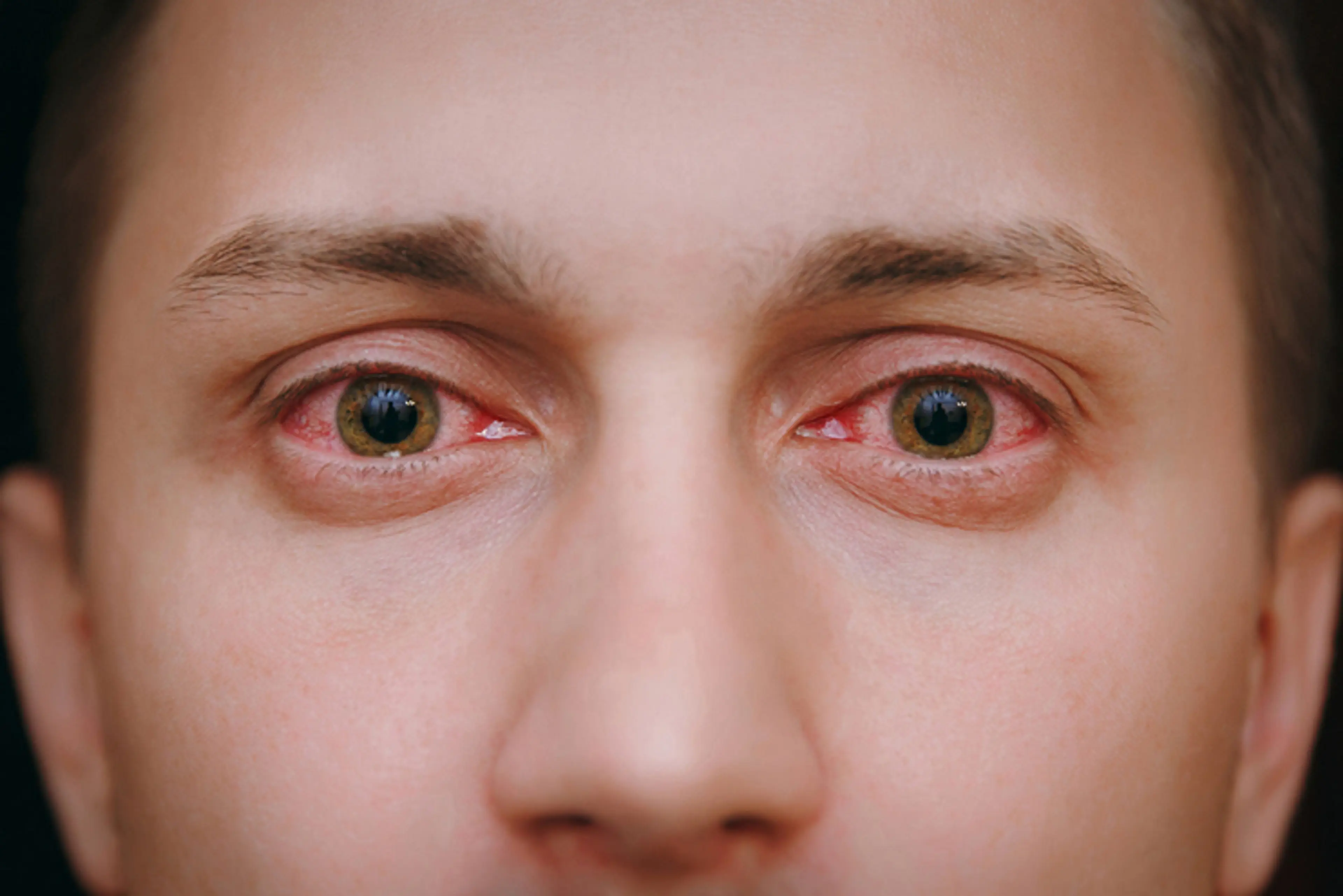
Dry eye disease happens when the tear film that protects your eyes becomes unstable. The tear film has three layers: oil, water, and mucus. Disruption in any of these layers can cause symptoms such as dryness, blurry vision, a gritty sensation, and redness.
Many people rely on artificial tears for temporary relief, but if the underlying cause isn’t addressed, symptoms often return. This cycle of temporary improvement followed by relapse can be both frustrating and misleading.
To better understand dry eyes, it’s important to know how the tear film works. The outermost layer, made of lipids (oil), prevents tear evaporation. The middle aqueous layer provides moisture and essential nutrients, while the innermost mucin layer helps the tears adhere to the surface of the eye. When one or more of these layers fail, the tear film breaks down.
In patients with chronic dry eye, even slight imbalances in tear composition can trigger a cascade of symptoms. That’s why precise diagnosis and tailored treatment are essential for long-term success.
Persistent symptoms can stem from several overlooked or mismanaged causes:
Dr. Kim Jun-heon, lead ophthalmologist at Gangnam Joeunnun Vision Clinic, notes, "We often see patients who’ve used multiple eye drops for years without relief. The key is accurate diagnosis and customized treatment."
When artificial tears don’t work, advanced therapies can offer real improvement:
Alongside professional treatments, lifestyle changes can significantly support dry eye management:
If your symptoms persist despite over-the-counter solutions, it's time for professional evaluation. Specialists can conduct tests like:
Common signs that warrant a specialist visit:
Blurry vision not relieved by eye drops
Ongoing irritation or burning
History of autoimmune conditions
Difficulty wearing contact lenses
The clinic offers multilingual services (Korean, English, Chinese), personalized care plans, and advanced diagnostics tailored to each patient’s unique condition.
"Our goal isn’t just symptom relief—it’s restoring long-term comfort and function," says Dr. Kim.
Patients benefit from a holistic approach that addresses both the medical and lifestyle aspects of dry eye management. The clinic also offers follow-up care and coaching on self-management techniques, creating a true partnership in eye health.
These stories demonstrate how expert intervention and personalized treatment can transform quality of life.
Dry eye disease can impact more than your vision—it can affect your mood, productivity, and daily comfort. Many patients report frustration, fatigue, or even mild depression due to ongoing eye discomfort. Mental health support and community forums can provide additional comfort alongside clinical care.
It’s not uncommon for chronic dry eye sufferers to experience sleep disturbances or social withdrawal due to their condition. Recognizing these emotional aspects is crucial, and clinicians are increasingly incorporating mental health screenings into their dry eye assessments.
Once symptoms are under control, long-term success requires prevention:
Schedule regular check-ups with your eye care provider
Maintain consistent eyelid hygiene routines
Use a humidifier at home or office
Adjust lighting and screen brightness to reduce glare
Wear wraparound sunglasses to protect against wind and UV
Take screen breaks every 20 minutes
Stick to a nutrient-rich, anti-inflammatory diet
Prevention is especially important for individuals with recurring flare-ups during seasonal changes or high screen usage.
You don’t have to live with constant eye discomfort. By understanding the specific cause of your symptoms and accessing expert care, you can reclaim your comfort and quality of life.
At Gangnam Joeunnun Vision Clinic, patients receive more than a diagnosis—they receive a personalized roadmap to relief. From state-of-the-art diagnostics to compassionate, multilingual support, the clinic is redefining dry eye care in Seoul and beyond.